---
title: Developing a 2026 Content Marketing Plan for Your Bank or Credit Union
description: Discover how to develop a 2026 content marketing plan for your bank or credit union. Learn AI discovery, loop marketing, content, and personalization that drive loan applications.
image: https://blog.dabrianmarketing.com/hubfs/Door%20of%20a%20new%20contemporary%20office%20building.jpeg
---
[Get A Quote](https://dabrianmarketing.com/get-a-quote/)
[610.743.5602](tel:+16107435602)
[Schedule A Meeting](https://meetings.hubspot.com/dlaws/?__hstc=98550144.2ad6533e04aa85d8419535b85f8064b9.1588144268754.1588219197863.1588226005683.6&__hssc=98550144.6.1588226005683&__hsfp=47018764)
[](https://dabrianmarketing.com/)
- [About](https://dabrianmarketing.com/about/)
- [Team](https://dabrianmarketing.com/about/team/)
- [Careers](https://dabrianmarketing.com/about/careers/)
- [Work](https://dabrianmarketing.com/about/work/)
- [HubSpot Agency](https://dabrianmarketing.com/hubspot-agency/)
- [Marketing Hub](https://dabrianmarketing.com/hubspot-agency/hubspot-marketing-hub/)
- [Setup & Strategy](https://dabrianmarketing.com/hubspot-agency/hubspot-marketing-hub/hubspot-foundational-marketing-services/)
- [Traffic Generation](https://dabrianmarketing.com/hubspot-agency/hubspot-marketing-hub/traffic-generation/)
- [Lead Conversion](https://dabrianmarketing.com/hubspot-agency/hubspot-marketing-hub/lead-conversion/)
- [Lead Nurturing](https://dabrianmarketing.com/hubspot-agency/hubspot-marketing-hub/lead-nurturing/)
- [Sales hub](https://dabrianmarketing.com/hubspot-agency/hubspot-sales-hub/)
- [CRM Implementation](https://dabrianmarketing.com/hubspot-agency/hubspot-sales-hub/crm-implementation/)
- [Sales Enablement](https://dabrianmarketing.com/hubspot-agency/hubspot-sales-hub/sales-enablement/)
- [Sales & Marketing Alignment](https://dabrianmarketing.com/hubspot-agency/hubspot-sales-hub/sales-marketing-alignment/)
- [Content Hub](https://dabrianmarketing.com/website-design/centralize-personalize-optimize-your-content-with-hubspot-content-hub/)
- [Digital Marketing](https://dabrianmarketing.com/digital-marketing/)
- [Inbound Marketing](https://dabrianmarketing.com/digital-marketing/inbound-marketing/)
- [Content Marketing](https://dabrianmarketing.com/digital-marketing/content-marketing/)
- [Email Marketing](https://dabrianmarketing.com/digital-marketing/email-marketing/)
- [SEO](https://dabrianmarketing.com/digital-marketing/seo/)
- [Social Media Marketing](https://dabrianmarketing.com/digital-marketing/social-media-marketing/)
- [PPC Management](https://dabrianmarketing.com/digital-marketing/ppc-advertising/)
- [Digital Analytics](https://dabrianmarketing.com/digital-analytics/)
- [Web Design](https://dabrianmarketing.com/web-design/)
- [Shopify Web Design](https://dabrianmarketing.com/website-design/build-a-shopify-store-that-sells-more/)
- [CMS Hub](https://dabrianmarketing.com/website-design/centralize-personalize-optimize-your-content-with-hubspot-content-hub/)
- [Branding/Graphic Design](https://dabrianmarketing.com/branding/)
- [Our Work](https://dabrianmarketing.com/web-design/our-work/)
- [Hosting & Maintenance](https://dabrianmarketing.com/web-design/hosting-maintenance/)
- [Blog](https://blog.dabrianmarketing.com/)
- [Small & Mid-Sized Business Resources](https://dabrianmarketing.com/resources/)
- [Client Referral Program](https://dabrianmarketing.com/client-referral-program-2023-2024/)
- [About](https://dabrianmarketing.com/about/)
- [Team](https://dabrianmarketing.com/about/team/)
- [Careers](https://dabrianmarketing.com/about/careers/)
- [Work](https://dabrianmarketing.com/about/work/)
- [HubSpot Agency](https://dabrianmarketing.com/hubspot-agency/)
- [Marketing Hub](https://dabrianmarketing.com/hubspot-agency/hubspot-marketing-hub/)
- [Setup & Strategy](https://dabrianmarketing.com/hubspot-agency/hubspot-marketing-hub/hubspot-foundational-marketing-services/)
- [Traffic Generation](https://dabrianmarketing.com/hubspot-agency/hubspot-marketing-hub/traffic-generation/)
- [Lead Conversion](https://dabrianmarketing.com/hubspot-agency/hubspot-marketing-hub/lead-conversion/)
- [Lead Nurturing](https://dabrianmarketing.com/hubspot-agency/hubspot-marketing-hub/lead-nurturing/)
- [Sales hub](https://dabrianmarketing.com/hubspot-agency/hubspot-sales-hub/)
- [CRM Implementation](https://dabrianmarketing.com/hubspot-agency/hubspot-sales-hub/crm-implementation/)
- [Sales Enablement](https://dabrianmarketing.com/hubspot-agency/hubspot-sales-hub/sales-enablement/)
- [Sales & Marketing Alignment](https://dabrianmarketing.com/hubspot-agency/hubspot-sales-hub/sales-marketing-alignment/)
- [Content Hub](https://dabrianmarketing.com/website-design/centralize-personalize-optimize-your-content-with-hubspot-content-hub/)
- [Digital Marketing](https://dabrianmarketing.com/digital-marketing/)
- [Inbound Marketing](https://dabrianmarketing.com/digital-marketing/inbound-marketing/)
- [Content Marketing](https://dabrianmarketing.com/digital-marketing/content-marketing/)
- [Email Marketing](https://dabrianmarketing.com/digital-marketing/email-marketing/)
- [SEO](https://dabrianmarketing.com/digital-marketing/seo/)
- [Social Media Marketing](https://dabrianmarketing.com/digital-marketing/social-media-marketing/)
- [PPC Management](https://dabrianmarketing.com/digital-marketing/ppc-advertising/)
- [Digital Analytics](https://dabrianmarketing.com/digital-analytics/)
- [Web Design](https://dabrianmarketing.com/web-design/)
- [Shopify Web Design](https://dabrianmarketing.com/website-design/build-a-shopify-store-that-sells-more/)
- [CMS Hub](https://dabrianmarketing.com/website-design/centralize-personalize-optimize-your-content-with-hubspot-content-hub/)
- [Branding/Graphic Design](https://dabrianmarketing.com/branding/)
- [Our Work](https://dabrianmarketing.com/web-design/our-work/)
- [Hosting & Maintenance](https://dabrianmarketing.com/web-design/hosting-maintenance/)
- [Blog](https://blog.dabrianmarketing.com/)
- [Small & Mid-Sized Business Resources](https://dabrianmarketing.com/resources/)
- [Client Referral Program](https://dabrianmarketing.com/client-referral-program-2023-2024/)
[Get A Quote](https://dabrianmarketing.com/get-a-quote/)
[610.743.5602](tel:+16107435602)
416 Blair Ave,
Reading, PA 19601
[](https://dabrianmarketing.com/)
[Schedule A Meeting](https://meetings.hubspot.com/dlaws/?__hstc=98550144.2ad6533e04aa85d8419535b85f8064b9.1588144268754.1588219197863.1588226005683.6&__hssc=98550144.6.1588226005683&__hsfp=47018764)
# Developing a 2026 Content Marketing Plan for Your Bank or Credit Union
February 11, 2026 by [Dabrian Marketing Group](https://blog.dabrianmarketing.com/author/dabrian-marketing-group) [Leave a Comment](https://blog.dabrianmarketing.com/content-marketing/2026-content-marketing-plan-bank-credit-union#blog-comments)
- [Share](http://www.facebook.com/sharer/sharer.php?u=https://blog.dabrianmarketing.com/content-marketing/2026-content-marketing-plan-bank-credit-union)
- [Tweet](https://twitter.com/intent/tweet?url=https://blog.dabrianmarketing.com/content-marketing/2026-content-marketing-plan-bank-credit-union&text=Developing%20a%202026%20Content%20Marketing%20Plan%20for%20Your%20Bank%20or%20Credit%20Union)
- [Share](http://www.linkedin.com/shareArticle?mini=true&url=https://blog.dabrianmarketing.com/content-marketing/2026-content-marketing-plan-bank-credit-union)
Developing a 2026 Content Marketing Plan for Your Bank or Credit Union
18:24
The financial services space has undergone a seismic shift in recent years. While "content is king" remains true, the definition of quality content has evolved dramatically from 2020's text-heavy blog posts to 2026's interactive, AI-discoverable, and video-first experiences.
For community banks and credit unions wearing "many hats," this shift isn't just about creating more content—it's about building what we now call **Outsourced Growth Infrastructure**: a strategic framework that addresses both the [traditional content marketing](https://dabrianmarketing.com/digital-marketing/content-marketing/) fundamentals and the new realities of AI discovery, answer engine optimization, and friction-driven abandonment.
Research confirms that [consumers are 131% more likely to buy after reading educational content](https://www.conductor.com/blog/2017/07/winning-customers-educational-content/). But in 2026, that educational content must do more than inform—it must interact, inspire trust through video, and be discoverable by AI answer engines that have fundamentally changed how prospective borrowers research financial products.
At DaBrian Marketing Group, we've evolved our approach for [our financial services clients](https://dabrianmarketing.com/industries/financial-services/) from simple "content audits" to building complete growth infrastructure through a modernized four-step process:
1. **Audit for AI Discovery** – Assess not just what content you have, but whether AI answer engines can find and cite it
2. **Adopt Loop Marketing** – Embrace the reality that buyers encounter your brand across scattered touchpoints before ever visiting your site
3. **Create Interactive EDU Content** – Move beyond static articles to micro-experiences that convert
4. **Distribute with Practical Personalization** – Deliver tailored experiences without requiring login or authentication
Let's explore how to execute this framework in 2026.
## Beyond Inventory to AI Discovery Health

Your traditional content audit started with a simple inventory: listing every brochure, blog post, and webpage you possessed. That's table stakes now. The 2026 audit must answer a more critical question: **Can AI answer engines find, understand, and cite your institution?**
### The Three Silent Killers of 2026 Bank Growth
Before diving into your audit checklist, understand what's at stake. Two new threats have emerged:
1. **Search Invisibility** – Google and AI engines now actively penalize duplicate or "canned" content. If you're using the same generic articles provided by your core banking vendor, your institution is virtually invisible in local search.
2. **Friction-Driven Abandonment** – [66% of prospective borrowers now abandon digital applications](https://www.ncontracts.com/wp-content/uploads/2024/06/nContracts_2024_Credit_Union_Survey_Results.pdf) because of manual workflow friction. Your content must now solve for this abandonment rate at the decision stage.
### Your 2026 Content Audit Checklist
**AI Discovery Health Assessment:**
- Are you cited by trusted third-party sources (NerdWallet, Forbes, industry forums)?
- Do AI engines like Perplexity and ChatGPT reference your institution when answering local banking queries?
- Have you moved from keyword-stuffed pages to natural-language "Solution FAQs" that [answer the questions people ask AI](https://dabrianmarketing.com/digital-marketing/seo/)?
**Interactive Content Inventory:**
- Loan calculators and simulators
- Personalized financial health assessment tools
- "Speed-to-Lead" scheduling agents
- Mobile account opening experiences (must be under 3 minutes)
- Video testimonials and banker-led educational content
**E-E-A-T Trust Signals:**Experience, Expertise, Authoritativeness, and Trustworthiness now drive trust for community banks. Your audit must prioritize:
- Video testimonials from real borrowers
- Banker-led educational videos (not just text whitepapers)
- Compliance with the [Modernized FDIC Marketing Rule (Part 328)](https://www.fdic.gov/resources/bankers/affordable-mortgage-lending-center/guide/part-1-section-a.html) – full digital signage compliance required by January 1, 2027
**Distribution Channel Readiness:**
- Does your homepage adapt based on visitor source (loan search vs. general banking)?
- Are you structured for Answer Engine Optimization (AEO), not just traditional SEO?
- Do you have [segmented content hubs](https://blog.dabrianmarketing.com/5-key-website-elements-and-functionalities-to-boost-conversions) for different life stages (Young Professional, Agri-Business, etc.)?
**Digital Asset Status:**
- Website (mobile-first, conversion-optimized)
- Educational video library
- Interactive tools and calculators
- AI-friendly FAQ architecture
- Compliance-ready social proof (Google Reviews, client testimonials)
### The "Canned Content" Death Sentence
In 2020, subscribing to content libraries from your core vendor was acceptable. In 2026, it's a growth killer. Using the same generic articles as 500 other banks makes you invisible to both Google's algorithms and AI answer engines that prioritize unique, authoritative sources.
**The Pivot:** You must transition from a "Content Library" subscription model to a "Custom Authority" model that showcases your bank's specific community expertise and real lending experiences.
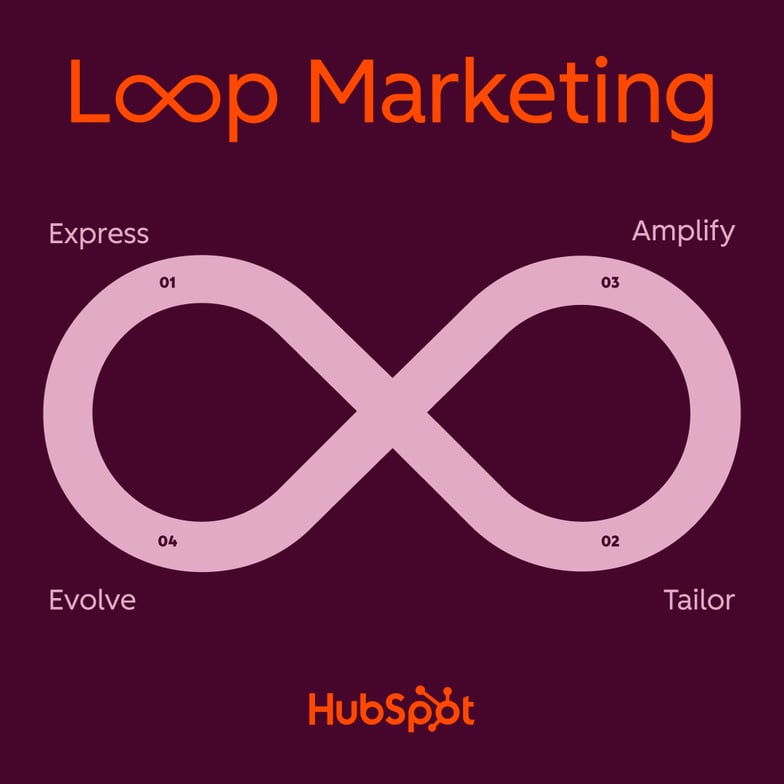
## Understanding the 2026 Buyer's Journey: From Linear Funnels to Loop Marketing
The traditional buyer's journey (Awareness → Consideration → Decision) is structurally sound, but the path is no longer linear. Welcome to **Loop Marketing**.
### The New Reality: Scattered Discovery
Your prospective borrower doesn't move neatly from A to B anymore. Instead, they encounter your brand across scattered channels—a TikTok video explaining mortgage terms, a LinkedIn post from your commercial lender, an AI answer from ChatGPT citing your institution, a podcast interview with your CEO—before ever clicking your website.
The "Loop" model recognizes that customers re-encounter your brand multiple times across multiple platforms before taking action. This is why traditional marketing funnels are failing financial institutions in 2026.
### HubSpot's Loop Marketing Framework
Using [HubSpot's Breeze AI](https://www.hubspot.com/products/artificial-intelligence), you can automate the tailoring of content to specific 2026 personas (like the "Strategic-but-Stretched Marketer") without adding headcount—critical for institutions with teams of 1-3 generalists.
**The Loop Marketing Stages:**
**1. Awareness (Discovery Across Platforms)**Content formats that work:
- Short-form video on TikTok and LinkedIn explaining financial concepts
- AI-optimized FAQ articles that answer natural language queries
- Podcast appearances and audio content
- Community-focused [social media content](https://dabrianmarketing.com/digital-marketing/social-media-marketing/)
**Key principle:** Your content must be platform-native, not just "blog posts shared everywhere."
**2. Consideration (Trust Through Interaction)**The consideration phase now requires interaction, not just information:
- Interactive loan comparison tools
- Personalized financial health calculators
- Banker-led video case studies (real borrower scenarios)
- Guided product recommendation quizzes
- Live chat with "Speed-to-Lead" scheduling
**Critical stat:** [90% of consumers believe non-banks must be held to the same legal consumer protection standards](https://www.icba.org/about/newsroom/news-and-articles/2024/09/09/icba-poll-finds-overwhelming-support-for-leveling-field-with-credit-unions), creating a "Protections Parity" concern you must address through transparent, educational content.
**3. Decision (Solving the 66% Abandonment Crisis)**At the decision stage, friction is your enemy. Content must now include:
- Mobile account opening (under 3 minutes)
- Pre-approval applications with real-time status updates
- Comparison tools showing your rates vs. competitors
- Video walkthroughs of the application process
- One-click scheduling with lending officers
**The Amplify & Evolve Strategy:**
Instead of creating separate content for each platform, the Loop model allows you to remix a single asset:
- Record a 5-minute banker-led video on commercial lending
- Extract the key insight into a LinkedIn carousel
- Create a 60-second TikTok clip on the same topic
- Transform the transcript into an AEO-ready FAQ article
- Pull quotes for social media posts
One creation, five distribution formats—this is how resource-strapped teams compete in 2026.
## Creating 2026 Educational Content

Educational content remains the cornerstone of financial services marketing, but the format and focus have evolved dramatically.
### The Shift: Trust Through Transparency
In 2020, generic financial literacy content ("What is APR?") was sufficient. In 2026, prospective borrowers demand real-world case studies and transparent lending scenarios.
**What works now:**
- Video case studies featuring real borrowers explaining their experience
- Banker-led walkthroughs of actual loan scenarios (anonymized)
- Behind-the-scenes content showing your underwriting process
- Transparent rate comparisons and fee breakdowns
- Interactive tools that show personalized results
### The 5 Critical Resistance Points for Credit Union Conversion (2025-2026)
If you're a credit union, you're facing unique educational challenges. Here's what you must address in your content:
**1. Protection Equality Gap -** [90% of consumers believe non-banks must be held to the same consumer protection standards as banks](https://www.icba.org/about/newsroom/news-and-articles/2024/09/09/icba-poll-finds-overwhelming-support-for-leveling-field-with-credit-unions). Your content must proactively address how you protect members beyond legal requirements.
**2. Tax Status Review-** [67% of Americans now agree Congress should reexamine credit union tax-exempt status](https://www.icba.org/newsroom/news-and-articles/2023/12/12/icba-poll-finds-support-for-leveling-playing-field-with-credit-unions), creating a "Fairness Gap" in public perception. Counter this with content showcasing community reinvestment and member benefits.
**3. Slow Digital Experience -** [62% of credit union executives identify new member growth as a top anxiety](https://www.cuinsight.com/digital-transformation-credit-unions) because tech often lags behind companies like [Chime](https://www.chime.com/) and [Cash App](https://cash.app/). Your content needs to show your digital capabilities, not just describe them.
**4. Sales Stigma -** Credit union staff often interpret "member-centricity" as avoiding product conversations. You need to reframe "sales" as "service education." Show members the beneficial services they don't know exist.
**5. Talent & Cyber Resilience Gap -** [60% of institutions cite talent shortages in cyber and data](https://www.cuinsight.com/press-release/2024-credit-union-survey-reveals-growing-concerns) as barriers to maintaining the "resilient pillar" reputation consumers demand. Content addressing security and privacy builds trust.
### Content Formats That Convert in 2026
**Video (Non-Negotiable):**
Trust is now driven by E-E-A-T (Experience-Expertise-Authoritativeness-Trustworthiness). Video is a mandatory trust signal for the heirs of the Great Wealth Transfer. They expect to see and hear from their lender before booking a meeting.
Types of video content:
- Banker introductions and expertise showcases
- Borrower testimonials (with permission)
- Product explainer videos (under 2 minutes)
- Process walkthroughs (mobile app demos, application guides)
- Community involvement and local stories
**Interactive Micro-Experiences:**
- Loan affordability calculators with personalized results
- "Find Your Best Account" guided recommendation tools
- Credit score improvement planners
- Retirement readiness assessments
- Business cash flow analyzers
**AEO-Optimized FAQ Content:**
Structure your content to answer natural language questions:
- "How much house can I afford on $75,000 salary?"
- "What credit score do I need for a business loan?"
- "Can I get a mortgage with student loan debt?"
These are the questions people ask AI and your content must provide the authoritative answers in that format.
## Create a Content Distribution Plan

Creating great content is only half the battle. Distribution in 2026 requires both strategic platform selection and "practical personalization"—delivering tailored experiences without requiring authentication.
### Platform Prioritization: LinkedIn + TikTok (Why Not the Others?)
Your resource-strapped team cannot be everywhere. Focus where conversion happens:
**LinkedIn: The Authority Anchor**
- Drives [80% of all B2B leads](https://blog.hubspot.com/marketing/linkedin-for-business)
- Primary tool for building "Digital Referral Trust" with local business owners
- Essential for reaching CPAs, attorneys, and other professional referral sources
- Best platform for commercial lending content and thought leadership
**TikTok: The Engagement Engine**
- Fastest-growing platform with [17.6% year-over-year growth](https://www.demandsage.com/tiktok-user-statistics/)
- "FinTok" algorithm connects financial education with younger demographics
- Perfect for short-form educational content and humanizing your institution
- Reaches Gen Z heirs who have abandoned traditional search
**Why not the others as primary channels?**
**Facebook/Instagram:**Perception is too casual for banking; organic link engagement has collapsed to [0.03%](https://www.socialmediatoday.com/news/facebook-organic-reach-declining/593255/). Use for community engagement and paid ads, not primary content distribution.
**X (formerly Twitter):**Perceived as high-noise/low-trust, making it poor for the reputation-heavy "flight-to-safety" banking environment of 2026.
**YouTube:**Powerful for long-term trust, but production lift is too high for most community institutions. Consider it a "Phase 2" channel in your 12-month roadmap.
### Practical Personalization: Three Examples for 2026
"Practical Personalization" means delivering tailored experiences without requiring users to log in first. This is critical for [boosting conversions](https://blog.dabrianmarketing.com/5-key-website-elements-and-functionalities-to-boost-conversions) at the awareness and consideration stages.
**Example 1: Behavioral Banners -** If a visitor arrives via a "Small Business Loan" search, your homepage automatically swaps its generic hero image for a commercial lending tool and an SBA 7(a) video walkthrough.
**Example 2: Segmented Content Hubs -** Create dedicated portals:
- "Young Professionals" (first-time homebuyers, student loan refinancing)
- "Agri-Business" (equipment financing, land loans)
- "Growing Families" (home equity, college savings)
All product suggestions and educational videos filter by life stage—without requiring login.
**Example 3: Geofenced Triggers -** Use location data to trigger personalized push notifications or SMS about auto loan rates when a customer is detected at a local dealership. (Requires opt-in and privacy compliance.)
### Answer Engine Optimization (AEO): The New Distribution Frontier
Search is no longer just Google. Users discover answers through AI answer engines like ChatGPT, Perplexity, and Gemini. Your distribution plan must include AEO:
**How to optimize for AI discovery:**
1. Ensure your bank is cited by high-authority finance sources (NerdWallet, Bankrate, local news)
2. Structure content as clear, natural-language answers to specific questions
3. Include schema markup and structured data on your website
4. Build reputation signals through third-party mentions and quality backlinks
5. Create authoritative, long-form guides on local lending topics
### The Distribution Process: Remix Everything
For every piece of content you create, plan its distribution across multiple formats:
**Example: Commercial Lending Video**
1. Record 5-minute banker interviews on SBA loans
2. Create LinkedIn articles from transcripts
3. Extract 60-second clip for TikTok
4. Design infographics highlighting key stats
5. Write AEO-optimized FAQ articles
6. Pull quotes for social media posts
7. Add to email nurture sequence for business prospects
### Distribution Schedule: Consistency Without Overwhelm
**Recommended 2026 Cadence for Community Banks (Team of 2-3):**
- LinkedIn: 3 posts per week (1 educational, 1 community, 1 product highlight)
- TikTok: 2-3 short videos per week
- Blog/Website: 2 long-form articles per month (AEO-optimized)
- Email: 1 educational newsletter per month
- Video: 2 professional videos per quarter
### The Modernized FDIC Marketing Rule (Part 328): Compliance Meets Opportunity
This regulatory shift for 2026 impacts both your content creation and distribution:
**Key Requirements:**
- Full compliance for digital signage requirements by **January 1, 2027**
- FDIC digital sign must display on homepage, login pages, and account opening screens
- Updated rules reflect how depositors use digital and mobile channels
There's an opportunity here.For the first time, modernized rules clarify how banks can use "compliance-ready" social proof (Google Reviews and client testimonials), which historically were a grey area. This opens new possibilities for trust-building content.
## Your 12-Month Roadmap to Outsourced Growth Infrastructure
Being prepared for 2026 requires more than a content calendar—it requires building growth infrastructure that addresses AI discovery, friction reduction, and scattered buyer journeys.
**Your 90-Day Quick Start:**
**Months 1-2: Audit & Foundation**
- Conduct AI Discovery Health Assessment
- Audit existing content for duplication and canned material
- Identify top 5 buyer questions for your market
- Set up HubSpot's Loop Marketing framework
- Ensure FDIC digital signage compliance
**Month 3: Create Core Assets**
- Produce 3 banker-led educational videos
- Build 2 interactive calculators/tools
- Create AEO-optimized FAQ content for top questions
- Develop segmented content hub strategy
**Months 4-6: Distribution & Amplification**
- Launch LinkedIn authority-building campaign
- Begin TikTok educational content series
- Implement behavioral website personalization
- Set up AI citation monitoring
**Months 7-12: Optimize & Scale**
- Analyze what's working via HubSpot attribution
- Double down on high-performing content formats
- Add secondary platforms (YouTube, additional tools)
- Refine Loop Marketing based on data
### The Bottom Line
Your 4-step framework (Audit → Appraise → Create → Distribute) remains the perfect foundation. However, to achieve your 10% meeting increase goal in 2026, you must frame these steps as building **Outsourced Growth Infrastructure** rather than just a "content makeover."
This addresses the "Many Hats" syndrome plaguing today's resource-strapped bank marketers while positioning your institution to:
- Be discoverable by AI answer engines
- Reduce the 66% digital application abandonment rate
- Build trust through video and interactive content
- Compete effectively against fintech and mega-banks
- Convert browsers into borrowers across scattered touchpoints
Still have questions? Check out [our financial services page](https://dabrianmarketing.com/industries/financial-services/) and [contact DaBrian Marketing Group](https://dabrianmarketing.com/contact/) today to start building your 2026 growth infrastructure.
- [Share](http://www.facebook.com/sharer/sharer.php?u=https://blog.dabrianmarketing.com/content-marketing/2026-content-marketing-plan-bank-credit-union)
- [Tweet](https://twitter.com/intent/tweet?url=https://blog.dabrianmarketing.com/content-marketing/2026-content-marketing-plan-bank-credit-union&text=Developing%20a%202026%20Content%20Marketing%20Plan%20for%20Your%20Bank%20or%20Credit%20Union)
- [Share](http://www.linkedin.com/shareArticle?mini=true&url=https://blog.dabrianmarketing.com/content-marketing/2026-content-marketing-plan-bank-credit-union)
 [Financial Services](https://blog.dabrianmarketing.com/tag/financial-services), [Content Marketing](https://blog.dabrianmarketing.com/tag/content-marketing)
### Subscribe to our Blog
### Recent Posts
### Categories
- [Marketing Strategy (126)](https://blog.dabrianmarketing.com/tag/marketing-strategy)
- [web design (83)](https://blog.dabrianmarketing.com/tag/web-design)
- [digital marketing (73)](https://blog.dabrianmarketing.com/tag/digital-marketing)
- [Search Engine Optimization (SEO) (62)](https://blog.dabrianmarketing.com/tag/search-engine-optimization-seo)
- [Paid Search (PPC) (59)](https://blog.dabrianmarketing.com/tag/paid-search-ppc)
- [Digital Analytics (55)](https://blog.dabrianmarketing.com/tag/digital-analytics)
- [seo (51)](https://blog.dabrianmarketing.com/tag/seo)
- [Google Analytics (50)](https://blog.dabrianmarketing.com/tag/google-analytics)
- [News & Events (48)](https://blog.dabrianmarketing.com/tag/news-events)
- [Social Media Marketing & Management (47)](https://blog.dabrianmarketing.com/tag/social-media-marketing-management)
- [Content Marketing (45)](https://blog.dabrianmarketing.com/tag/content-marketing)
- [PPC (43)](https://blog.dabrianmarketing.com/tag/ppc)
- [Ecommerce & Retail Marketing (39)](https://blog.dabrianmarketing.com/tag/ecommerce-retail-marketing)
- [Business to Business Marketing (34)](https://blog.dabrianmarketing.com/tag/business-to-business-marketing)
- [Website design (34)](https://blog.dabrianmarketing.com/tag/website-design)
- [Mobile marketing (33)](https://blog.dabrianmarketing.com/tag/mobile-marketing)
- [local seo (32)](https://blog.dabrianmarketing.com/tag/local-seo)
- [eCommerce (31)](https://blog.dabrianmarketing.com/tag/ecommerce)
- [Inbound marketing (29)](https://blog.dabrianmarketing.com/tag/inbound-marketing)
- [B2B marketing (27)](https://blog.dabrianmarketing.com/tag/b2b-marketing)
- [social media (26)](https://blog.dabrianmarketing.com/tag/social-media)
- [email marketing (25)](https://blog.dabrianmarketing.com/tag/email-marketing)
- [social media marketing (25)](https://blog.dabrianmarketing.com/tag/social-media-marketing)
- [website redesign (25)](https://blog.dabrianmarketing.com/tag/website-redesign)
- [B2B (24)](https://blog.dabrianmarketing.com/tag/b2b)
- [Financial Services (23)](https://blog.dabrianmarketing.com/tag/financial-services)
- [website development (23)](https://blog.dabrianmarketing.com/tag/website-development)
- [Pay Per Click (20)](https://blog.dabrianmarketing.com/tag/pay-per-click)
- [SEO strategy (20)](https://blog.dabrianmarketing.com/tag/seo-strategy)
- [B2B marketing agency (19)](https://blog.dabrianmarketing.com/tag/b2b-marketing-agency)
- [marketing (19)](https://blog.dabrianmarketing.com/tag/marketing)
- [web development (19)](https://blog.dabrianmarketing.com/tag/web-development)
- [Google AdWords (17)](https://blog.dabrianmarketing.com/tag/google-adwords)
- [marketing automation (17)](https://blog.dabrianmarketing.com/tag/marketing-automation)
- [press release (16)](https://blog.dabrianmarketing.com/tag/press-release)
- [Social Media Management (15)](https://blog.dabrianmarketing.com/tag/social-media-management)
- [ecommerce marketing (15)](https://blog.dabrianmarketing.com/tag/ecommerce-marketing)
- [lead generation (15)](https://blog.dabrianmarketing.com/tag/lead-generation)
- [social media strategy (15)](https://blog.dabrianmarketing.com/tag/social-media-strategy)
- [Web Design Strategy/Website Strategy (14)](https://blog.dabrianmarketing.com/tag/web-design-strategy-website-strategy)
- [content (14)](https://blog.dabrianmarketing.com/tag/content)
- [web design services for small business (14)](https://blog.dabrianmarketing.com/tag/web-design-services-for-small-business)
- [Web Design Trends (13)](https://blog.dabrianmarketing.com/tag/web-design-trends)
- [financial services marketing (13)](https://blog.dabrianmarketing.com/tag/financial-services-marketing)
- [sales (13)](https://blog.dabrianmarketing.com/tag/sales)
- [Digital Branding (12)](https://blog.dabrianmarketing.com/tag/digital-branding)
- [Healthcare & Wellness (12)](https://blog.dabrianmarketing.com/tag/healthcare-wellness)
- [Social Strategy (12)](https://blog.dabrianmarketing.com/tag/social-strategy)
- [Video Marketing (12)](https://blog.dabrianmarketing.com/tag/video-marketing)
- [branding (12)](https://blog.dabrianmarketing.com/tag/branding)
- [search engine optimization (12)](https://blog.dabrianmarketing.com/tag/search-engine-optimization)
- [Analytics (11)](https://blog.dabrianmarketing.com/tag/analytics)
- [Artificial intelligence (AI) (11)](https://blog.dabrianmarketing.com/tag/artificial-intelligence-ai)
- [Retail Marketing (11)](https://blog.dabrianmarketing.com/tag/retail-marketing)
- [SEM (11)](https://blog.dabrianmarketing.com/tag/sem)
- [digital advertising (11)](https://blog.dabrianmarketing.com/tag/digital-advertising)
- [increase brand awareness (11)](https://blog.dabrianmarketing.com/tag/increase-brand-awareness)
- [internet marketing (11)](https://blog.dabrianmarketing.com/tag/internet-marketing)
- [online shopping (11)](https://blog.dabrianmarketing.com/tag/online-shopping)
- [responsive web design (11)](https://blog.dabrianmarketing.com/tag/responsive-web-design)
- [web analytics (11)](https://blog.dabrianmarketing.com/tag/web-analytics)
- [Healthcare Marketing (10)](https://blog.dabrianmarketing.com/tag/healthcare-marketing)
- [Home Services (10)](https://blog.dabrianmarketing.com/tag/home-services)
- [Lead Generation Marketing (10)](https://blog.dabrianmarketing.com/tag/lead-generation-marketing)
- [SEO Services (10)](https://blog.dabrianmarketing.com/tag/seo-services)
- [financial advisors marketing (10)](https://blog.dabrianmarketing.com/tag/financial-advisors-marketing)
- [local listing management (10)](https://blog.dabrianmarketing.com/tag/local-listing-management)
- [Bank Marketing (9)](https://blog.dabrianmarketing.com/tag/bank-marketing)
- [CRM (9)](https://blog.dabrianmarketing.com/tag/crm)
- [Content Planning (9)](https://blog.dabrianmarketing.com/tag/content-planning)
- [Google Ads (9)](https://blog.dabrianmarketing.com/tag/google-ads)
- [Inbound Marketing Strategies (9)](https://blog.dabrianmarketing.com/tag/inbound-marketing-strategies)
- [PPC Marketing (9)](https://blog.dabrianmarketing.com/tag/ppc-marketing)
- [WordPress (9)](https://blog.dabrianmarketing.com/tag/wordpress)
- [content development (9)](https://blog.dabrianmarketing.com/tag/content-development)
- [content strategy (9)](https://blog.dabrianmarketing.com/tag/content-strategy)
- [redesign website (9)](https://blog.dabrianmarketing.com/tag/redesign-website)
- [web designer (9)](https://blog.dabrianmarketing.com/tag/web-designer)
- [2024 Planning (8)](https://blog.dabrianmarketing.com/tag/2024-planning)
- [B2C Marketing (8)](https://blog.dabrianmarketing.com/tag/b2c-marketing)
- [Retail Sales (8)](https://blog.dabrianmarketing.com/tag/retail-sales)
- [Shopify (8)](https://blog.dabrianmarketing.com/tag/shopify)
- [Social Media Metrics (8)](https://blog.dabrianmarketing.com/tag/social-media-metrics)
- [Web Security (8)](https://blog.dabrianmarketing.com/tag/web-security)
- [b2b sales (8)](https://blog.dabrianmarketing.com/tag/b2b-sales)
- [financial marketing (8)](https://blog.dabrianmarketing.com/tag/financial-marketing)
- [project management (8)](https://blog.dabrianmarketing.com/tag/project-management)
- [social marketing (8)](https://blog.dabrianmarketing.com/tag/social-marketing)
- [social media analytics (8)](https://blog.dabrianmarketing.com/tag/social-media-analytics)
- [strategic marketing (8)](https://blog.dabrianmarketing.com/tag/strategic-marketing)
- [website (8)](https://blog.dabrianmarketing.com/tag/website)
- [2025 Planning (7)](https://blog.dabrianmarketing.com/tag/2025-planning)
- [AdWords (7)](https://blog.dabrianmarketing.com/tag/adwords)
- [Bing Ads (7)](https://blog.dabrianmarketing.com/tag/bing-ads)
- [Mobile design (7)](https://blog.dabrianmarketing.com/tag/mobile-design)
- [ROI (7)](https://blog.dabrianmarketing.com/tag/roi)
- [Sales Strategy (7)](https://blog.dabrianmarketing.com/tag/sales-strategy)
- [brand identity (7)](https://blog.dabrianmarketing.com/tag/brand-identity)
- [business strategy (7)](https://blog.dabrianmarketing.com/tag/business-strategy)
- [content optimization (7)](https://blog.dabrianmarketing.com/tag/content-optimization)
- [home services marketing (7)](https://blog.dabrianmarketing.com/tag/home-services-marketing)
- [link building (7)](https://blog.dabrianmarketing.com/tag/link-building)
- [mobile (7)](https://blog.dabrianmarketing.com/tag/mobile)
- [mobile website (7)](https://blog.dabrianmarketing.com/tag/mobile-website)
- [ppc advertising (7)](https://blog.dabrianmarketing.com/tag/ppc-advertising)
- [social tips (7)](https://blog.dabrianmarketing.com/tag/social-tips)
- [AI Content (6)](https://blog.dabrianmarketing.com/tag/ai-content)
- [CMS (6)](https://blog.dabrianmarketing.com/tag/cms)
- [Customer Persona (6)](https://blog.dabrianmarketing.com/tag/customer-persona)
- [Link Earning (6)](https://blog.dabrianmarketing.com/tag/link-earning)
- [Online Sales (6)](https://blog.dabrianmarketing.com/tag/online-sales)
- [SEO Agency (6)](https://blog.dabrianmarketing.com/tag/seo-agency)
- [SEO measurement (6)](https://blog.dabrianmarketing.com/tag/seo-measurement)
- [Search Engine Marketing (6)](https://blog.dabrianmarketing.com/tag/search-engine-marketing)
- [account-based marketing (6)](https://blog.dabrianmarketing.com/tag/account-based-marketing)
- [brand development (6)](https://blog.dabrianmarketing.com/tag/brand-development)
- [digital marketing agency (6)](https://blog.dabrianmarketing.com/tag/digital-marketing-agency)
- [digital marketing strategy (6)](https://blog.dabrianmarketing.com/tag/digital-marketing-strategy)
- [hubspot cms (6)](https://blog.dabrianmarketing.com/tag/hubspot-cms)
- [keyword research (6)](https://blog.dabrianmarketing.com/tag/keyword-research)
- [measurement (6)](https://blog.dabrianmarketing.com/tag/measurement)
- [news and events (6)](https://blog.dabrianmarketing.com/tag/news-and-events)
- [shopify website (6)](https://blog.dabrianmarketing.com/tag/shopify-website)
- [shopping ads (6)](https://blog.dabrianmarketing.com/tag/shopping-ads)
- [small business (6)](https://blog.dabrianmarketing.com/tag/small-business)
- [social analytics (6)](https://blog.dabrianmarketing.com/tag/social-analytics)
- [strategy (6)](https://blog.dabrianmarketing.com/tag/strategy)
- [Paid Search (5)](https://blog.dabrianmarketing.com/tag/paid-search)
- [Plumbing Marketing (5)](https://blog.dabrianmarketing.com/tag/plumbing-marketing)
- [brand guidelines (5)](https://blog.dabrianmarketing.com/tag/brand-guidelines)
- [business to business (5)](https://blog.dabrianmarketing.com/tag/business-to-business)
- [customer relationship management (5)](https://blog.dabrianmarketing.com/tag/customer-relationship-management)
- [customer relationship management tools (5)](https://blog.dabrianmarketing.com/tag/customer-relationship-management-tools)
- [google shopping (5)](https://blog.dabrianmarketing.com/tag/google-shopping)
- [hubspot agency (5)](https://blog.dabrianmarketing.com/tag/hubspot-agency)
- [inbound marketing strategy (5)](https://blog.dabrianmarketing.com/tag/inbound-marketing-strategy)
- [lead generation website (5)](https://blog.dabrianmarketing.com/tag/lead-generation-website)
- [marketing insights (5)](https://blog.dabrianmarketing.com/tag/marketing-insights)
- [marketing tips (5)](https://blog.dabrianmarketing.com/tag/marketing-tips)
- [measuring SEO (5)](https://blog.dabrianmarketing.com/tag/measuring-seo)
- [paid search campaigns (5)](https://blog.dabrianmarketing.com/tag/paid-search-campaigns)
- [ppc management (5)](https://blog.dabrianmarketing.com/tag/ppc-management)
- [sales CRM (5)](https://blog.dabrianmarketing.com/tag/sales-crm)
- [user experience (5)](https://blog.dabrianmarketing.com/tag/user-experience)
- [video (5)](https://blog.dabrianmarketing.com/tag/video)
- [web developer (5)](https://blog.dabrianmarketing.com/tag/web-developer)
- [2026 planning (4)](https://blog.dabrianmarketing.com/tag/2026-planning)
- [Artificial Intelligence (4)](https://blog.dabrianmarketing.com/tag/artificial-intelligence)
- [CMS Hub (4)](https://blog.dabrianmarketing.com/tag/cms-hub)
- [Call Tracking (4)](https://blog.dabrianmarketing.com/tag/call-tracking)
- [Facebook (4)](https://blog.dabrianmarketing.com/tag/facebook)
- [Improve productivity (4)](https://blog.dabrianmarketing.com/tag/improve-productivity)
- [Inbound Sales Strategy (4)](https://blog.dabrianmarketing.com/tag/inbound-sales-strategy)
- [Insurance Marketing (4)](https://blog.dabrianmarketing.com/tag/insurance-marketing)
- [KPIs (4)](https://blog.dabrianmarketing.com/tag/kpis)
- [Local Listings (4)](https://blog.dabrianmarketing.com/tag/local-listings)
- [Logo Design (4)](https://blog.dabrianmarketing.com/tag/logo-design)
- [Non-Profit Marketing (4)](https://blog.dabrianmarketing.com/tag/non-profit-marketing)
- [Organic Search (4)](https://blog.dabrianmarketing.com/tag/organic-search)
- [Outbound Sales Strategy (4)](https://blog.dabrianmarketing.com/tag/outbound-sales-strategy)
- [SERPS (4)](https://blog.dabrianmarketing.com/tag/serps)
- [Social media updates (4)](https://blog.dabrianmarketing.com/tag/social-media-updates)
- [Uncategorized (4)](https://blog.dabrianmarketing.com/tag/uncategorized)
- [Wealth Management marketing (4)](https://blog.dabrianmarketing.com/tag/wealth-management-marketing)
- [aeo (4)](https://blog.dabrianmarketing.com/tag/aeo)
- [compliance (4)](https://blog.dabrianmarketing.com/tag/compliance)
- [conversions (4)](https://blog.dabrianmarketing.com/tag/conversions)
- [creative design (4)](https://blog.dabrianmarketing.com/tag/creative-design)
- [credit union (4)](https://blog.dabrianmarketing.com/tag/credit-union)
- [customer relationship system (4)](https://blog.dabrianmarketing.com/tag/customer-relationship-system)
- [dabrian marketing (4)](https://blog.dabrianmarketing.com/tag/dabrian-marketing)
- [data (4)](https://blog.dabrianmarketing.com/tag/data)
- [ecommerce SEO (4)](https://blog.dabrianmarketing.com/tag/ecommerce-seo)
- [email (4)](https://blog.dabrianmarketing.com/tag/email)
- [home improvement (4)](https://blog.dabrianmarketing.com/tag/home-improvement)
- [leads (4)](https://blog.dabrianmarketing.com/tag/leads)
- [local search (4)](https://blog.dabrianmarketing.com/tag/local-search)
- [manufacturing marketing (4)](https://blog.dabrianmarketing.com/tag/manufacturing-marketing)
- [mobile advertising (4)](https://blog.dabrianmarketing.com/tag/mobile-advertising)
- [news (4)](https://blog.dabrianmarketing.com/tag/news)
- [optimization (4)](https://blog.dabrianmarketing.com/tag/optimization)
- [paid online advertising (4)](https://blog.dabrianmarketing.com/tag/paid-online-advertising)
- [sales funnel (4)](https://blog.dabrianmarketing.com/tag/sales-funnel)
- [sales pipeline (4)](https://blog.dabrianmarketing.com/tag/sales-pipeline)
- [security (4)](https://blog.dabrianmarketing.com/tag/security)
- [smart goals (4)](https://blog.dabrianmarketing.com/tag/smart-goals)
- [social advertising (4)](https://blog.dabrianmarketing.com/tag/social-advertising)
- [social media tips (4)](https://blog.dabrianmarketing.com/tag/social-media-tips)
- [tag management (4)](https://blog.dabrianmarketing.com/tag/tag-management)
- [trends (4)](https://blog.dabrianmarketing.com/tag/trends)
- [2023 (3)](https://blog.dabrianmarketing.com/tag/2023)
- [AI SEO (3)](https://blog.dabrianmarketing.com/tag/ai-seo)
- [Adobe Analytics (3)](https://blog.dabrianmarketing.com/tag/adobe-analytics)
- [Amazon Advertising (3)](https://blog.dabrianmarketing.com/tag/amazon-advertising)
- [Automotive Marketing (3)](https://blog.dabrianmarketing.com/tag/automotive-marketing)
- [B2B Content (3)](https://blog.dabrianmarketing.com/tag/b2b-content)
- [B2B Search Marketing (3)](https://blog.dabrianmarketing.com/tag/b2b-search-marketing)
- [B2B eCommerce (3)](https://blog.dabrianmarketing.com/tag/b2b-ecommerce)
- [B2C (3)](https://blog.dabrianmarketing.com/tag/b2c)
- [Continuous Website Improvement (3)](https://blog.dabrianmarketing.com/tag/continuous-website-improvement)
- [Google My Business (3)](https://blog.dabrianmarketing.com/tag/google-my-business)
- [Growth Driven Design (3)](https://blog.dabrianmarketing.com/tag/growth-driven-design)
- [HVAC (3)](https://blog.dabrianmarketing.com/tag/hvac)
- [Home Improvement Marketing (3)](https://blog.dabrianmarketing.com/tag/home-improvement-marketing)
- [Hospital Marketing (3)](https://blog.dabrianmarketing.com/tag/hospital-marketing)
- [Lawn Care Marketing (3)](https://blog.dabrianmarketing.com/tag/lawn-care-marketing)
- [LinkedIn (3)](https://blog.dabrianmarketing.com/tag/linkedin)
- [Marketing Budgeting (3)](https://blog.dabrianmarketing.com/tag/marketing-budgeting)
- [Measurement Planning (3)](https://blog.dabrianmarketing.com/tag/measurement-planning)
- [Multivariate Testing (3)](https://blog.dabrianmarketing.com/tag/multivariate-testing)
- [Online Business (3)](https://blog.dabrianmarketing.com/tag/online-business)
- [Partnership (3)](https://blog.dabrianmarketing.com/tag/partnership)
- [Personas (3)](https://blog.dabrianmarketing.com/tag/personas)
- [Product Inventory (3)](https://blog.dabrianmarketing.com/tag/product-inventory)
- [SEO Reporting (3)](https://blog.dabrianmarketing.com/tag/seo-reporting)
- [SOCIAL ECOMMERCE (3)](https://blog.dabrianmarketing.com/tag/social-ecommerce)
- [Sales Prospecting (3)](https://blog.dabrianmarketing.com/tag/sales-prospecting)
- [Sales and Marketing Alignment (3)](https://blog.dabrianmarketing.com/tag/sales-and-marketing-alignment)
- [Speed-to-Lead (3)](https://blog.dabrianmarketing.com/tag/speed-to-lead)
- [Time Management (3)](https://blog.dabrianmarketing.com/tag/time-management)
- [Twitter (3)](https://blog.dabrianmarketing.com/tag/twitter)
- [UX Design (3)](https://blog.dabrianmarketing.com/tag/ux-design)
- [UX research (3)](https://blog.dabrianmarketing.com/tag/ux-research)
- [adCenter (3)](https://blog.dabrianmarketing.com/tag/adcenter)
- [advertising (3)](https://blog.dabrianmarketing.com/tag/advertising)
- [api (3)](https://blog.dabrianmarketing.com/tag/api)
- [attribution modeling (3)](https://blog.dabrianmarketing.com/tag/attribution-modeling)
- [bank advertising (3)](https://blog.dabrianmarketing.com/tag/bank-advertising)
- [big data (3)](https://blog.dabrianmarketing.com/tag/big-data)
- [construction marketing (3)](https://blog.dabrianmarketing.com/tag/construction-marketing)
- [consumer services (3)](https://blog.dabrianmarketing.com/tag/consumer-services)
- [customer (3)](https://blog.dabrianmarketing.com/tag/customer)
- [data privacy (3)](https://blog.dabrianmarketing.com/tag/data-privacy)
- [digital content (3)](https://blog.dabrianmarketing.com/tag/digital-content)
- [digital marketing measurement (3)](https://blog.dabrianmarketing.com/tag/digital-marketing-measurement)
- [digital marketing services (3)](https://blog.dabrianmarketing.com/tag/digital-marketing-services)
- [email for ecommerce (3)](https://blog.dabrianmarketing.com/tag/email-for-ecommerce)
- [facebook ads (3)](https://blog.dabrianmarketing.com/tag/facebook-ads)
- [google partners connect (3)](https://blog.dabrianmarketing.com/tag/google-partners-connect)
- [graphic design (3)](https://blog.dabrianmarketing.com/tag/graphic-design)
- [hubspot (3)](https://blog.dabrianmarketing.com/tag/hubspot)
- [hubspot crm (3)](https://blog.dabrianmarketing.com/tag/hubspot-crm)
- [hubspot sales (3)](https://blog.dabrianmarketing.com/tag/hubspot-sales)
- [instagram (3)](https://blog.dabrianmarketing.com/tag/instagram)
- [marketing metrics (3)](https://blog.dabrianmarketing.com/tag/marketing-metrics)
- [minority owned businesses (3)](https://blog.dabrianmarketing.com/tag/minority-owned-businesses)
- [monitor (3)](https://blog.dabrianmarketing.com/tag/monitor)
- [omnichannel Marketing (3)](https://blog.dabrianmarketing.com/tag/omnichannel-marketing)
- [on-page seo (3)](https://blog.dabrianmarketing.com/tag/on-page-seo)
- [online reputation management (3)](https://blog.dabrianmarketing.com/tag/online-reputation-management)
- [online store (3)](https://blog.dabrianmarketing.com/tag/online-store)
- [paid search advertising (3)](https://blog.dabrianmarketing.com/tag/paid-search-advertising)
- [pay per click advertising campaigns (3)](https://blog.dabrianmarketing.com/tag/pay-per-click-advertising-campaigns)
- [plumbing (3)](https://blog.dabrianmarketing.com/tag/plumbing)
- [ppc account management (3)](https://blog.dabrianmarketing.com/tag/ppc-account-management)
- [reputation management (3)](https://blog.dabrianmarketing.com/tag/reputation-management)
- [sales enablement (3)](https://blog.dabrianmarketing.com/tag/sales-enablement)
- [tips (3)](https://blog.dabrianmarketing.com/tag/tips)
- [voice search (3)](https://blog.dabrianmarketing.com/tag/voice-search)
- [#agencylife (2)](https://blog.dabrianmarketing.com/tag/agencylife)
- [2022 (2)](https://blog.dabrianmarketing.com/tag/2022)
- [2023 planning (2)](https://blog.dabrianmarketing.com/tag/2023-planning)
- [2024 (2)](https://blog.dabrianmarketing.com/tag/2024)
- [ABM (2)](https://blog.dabrianmarketing.com/tag/abm)
- [B2B growth (2)](https://blog.dabrianmarketing.com/tag/b2b-growth)
- [BigCommerce (2)](https://blog.dabrianmarketing.com/tag/bigcommerce)
- [Business growth opportunities (2)](https://blog.dabrianmarketing.com/tag/business-growth-opportunities)
- [COVID (2)](https://blog.dabrianmarketing.com/tag/covid)
- [CRM alignment (2)](https://blog.dabrianmarketing.com/tag/crm-alignment)
- [Conversion Tracking (2)](https://blog.dabrianmarketing.com/tag/conversion-tracking)
- [Covid-19 (2)](https://blog.dabrianmarketing.com/tag/covid-19)
- [Facebook Tips (2)](https://blog.dabrianmarketing.com/tag/facebook-tips)
- [Facebook business (2)](https://blog.dabrianmarketing.com/tag/facebook-business)
- [GDPR (2)](https://blog.dabrianmarketing.com/tag/gdpr)
- [Gmail tips (2)](https://blog.dabrianmarketing.com/tag/gmail-tips)
- [Google Business Profile (2)](https://blog.dabrianmarketing.com/tag/google-business-profile)
- [Google event (2)](https://blog.dabrianmarketing.com/tag/google-event)
- [Home Improvement Trends (2)](https://blog.dabrianmarketing.com/tag/home-improvement-trends)
- [LinkedIn Ads (2)](https://blog.dabrianmarketing.com/tag/linkedin-ads)
- [Local SEO Strategy (2)](https://blog.dabrianmarketing.com/tag/local-seo-strategy)
- [Logistics (2)](https://blog.dabrianmarketing.com/tag/logistics)
- [Minority Business Enterprise (2)](https://blog.dabrianmarketing.com/tag/minority-business-enterprise)
- [Online Advertising (2)](https://blog.dabrianmarketing.com/tag/online-advertising)
- [Product Data Feed (2)](https://blog.dabrianmarketing.com/tag/product-data-feed)
- [Qualitative Data (2)](https://blog.dabrianmarketing.com/tag/qualitative-data)
- [Restaurant Marketing (2)](https://blog.dabrianmarketing.com/tag/restaurant-marketing)
- [SBE (2)](https://blog.dabrianmarketing.com/tag/sbe)
- [Twitter Tips (2)](https://blog.dabrianmarketing.com/tag/twitter-tips)
- [UX (2)](https://blog.dabrianmarketing.com/tag/ux)
- [Video SEO (2)](https://blog.dabrianmarketing.com/tag/video-seo)
- [Yelp (2)](https://blog.dabrianmarketing.com/tag/yelp)
- [ad copy (2)](https://blog.dabrianmarketing.com/tag/ad-copy)
- [agency transparency (2)](https://blog.dabrianmarketing.com/tag/agency-transparency)
- [algorithm management (2)](https://blog.dabrianmarketing.com/tag/algorithm-management)
- [automated bidding (2)](https://blog.dabrianmarketing.com/tag/automated-bidding)
- [budget (2)](https://blog.dabrianmarketing.com/tag/budget)
- [business growth (2)](https://blog.dabrianmarketing.com/tag/business-growth)
- [certification (2)](https://blog.dabrianmarketing.com/tag/certification)
- [client appreciation (2)](https://blog.dabrianmarketing.com/tag/client-appreciation)
- [clients (2)](https://blog.dabrianmarketing.com/tag/clients)
- [cloud (2)](https://blog.dabrianmarketing.com/tag/cloud)
- [communication (2)](https://blog.dabrianmarketing.com/tag/communication)
- [content promotion (2)](https://blog.dabrianmarketing.com/tag/content-promotion)
- [copywriting (2)](https://blog.dabrianmarketing.com/tag/copywriting)
- [data driven culture (2)](https://blog.dabrianmarketing.com/tag/data-driven-culture)
- [data driven marketing (2)](https://blog.dabrianmarketing.com/tag/data-driven-marketing)
- [data mining (2)](https://blog.dabrianmarketing.com/tag/data-mining)
- [design (2)](https://blog.dabrianmarketing.com/tag/design)
- [digital avertising (2)](https://blog.dabrianmarketing.com/tag/digital-avertising)
- [digital transformation (2)](https://blog.dabrianmarketing.com/tag/digital-transformation)
- [digital vs traditional (2)](https://blog.dabrianmarketing.com/tag/digital-vs-traditional)
- [education (2)](https://blog.dabrianmarketing.com/tag/education)
- [email analytics (2)](https://blog.dabrianmarketing.com/tag/email-analytics)
- [email marketing measurement (2)](https://blog.dabrianmarketing.com/tag/email-marketing-measurement)
- [enhanced campaigns (2)](https://blog.dabrianmarketing.com/tag/enhanced-campaigns)
- [guide (2)](https://blog.dabrianmarketing.com/tag/guide)
- [healthcare marketing agency (2)](https://blog.dabrianmarketing.com/tag/healthcare-marketing-agency)
- [hootsuite (2)](https://blog.dabrianmarketing.com/tag/hootsuite)
- [hosting services (2)](https://blog.dabrianmarketing.com/tag/hosting-services)
- [implementing (2)](https://blog.dabrianmarketing.com/tag/implementing)
- [inbound leads (2)](https://blog.dabrianmarketing.com/tag/inbound-leads)
- [inbound success plan (2)](https://blog.dabrianmarketing.com/tag/inbound-success-plan)
- [industries (2)](https://blog.dabrianmarketing.com/tag/industries)
- [industry solutions (2)](https://blog.dabrianmarketing.com/tag/industry-solutions)
- [insurance and trust (2)](https://blog.dabrianmarketing.com/tag/insurance-and-trust)
- [interactive content (2)](https://blog.dabrianmarketing.com/tag/interactive-content)
- [internet (2)](https://blog.dabrianmarketing.com/tag/internet)
- [landing (2)](https://blog.dabrianmarketing.com/tag/landing)
- [landing page (2)](https://blog.dabrianmarketing.com/tag/landing-page)
- [lead generation tools (2)](https://blog.dabrianmarketing.com/tag/lead-generation-tools)
- [lehigh valley (2)](https://blog.dabrianmarketing.com/tag/lehigh-valley)
- [local business (2)](https://blog.dabrianmarketing.com/tag/local-business)
- [local event (2)](https://blog.dabrianmarketing.com/tag/local-event)
- [local listing (2)](https://blog.dabrianmarketing.com/tag/local-listing)
- [logo types (2)](https://blog.dabrianmarketing.com/tag/logo-types)
- [marketing tools (2)](https://blog.dabrianmarketing.com/tag/marketing-tools)
- [measure (2)](https://blog.dabrianmarketing.com/tag/measure)
- [medical marketing (2)](https://blog.dabrianmarketing.com/tag/medical-marketing)
- [mobile analytics (2)](https://blog.dabrianmarketing.com/tag/mobile-analytics)
- [mobile app (2)](https://blog.dabrianmarketing.com/tag/mobile-app)
- [mobile optimization (2)](https://blog.dabrianmarketing.com/tag/mobile-optimization)
- [mobile seo (2)](https://blog.dabrianmarketing.com/tag/mobile-seo)
- [multichannel (2)](https://blog.dabrianmarketing.com/tag/multichannel)
- [multichannel marketing (2)](https://blog.dabrianmarketing.com/tag/multichannel-marketing)
- [native ads (2)](https://blog.dabrianmarketing.com/tag/native-ads)
- [news release (2)](https://blog.dabrianmarketing.com/tag/news-release)
- [non-profit (2)](https://blog.dabrianmarketing.com/tag/non-profit)
- [nonprofit marketing (2)](https://blog.dabrianmarketing.com/tag/nonprofit-marketing)
- [one page web design (2)](https://blog.dabrianmarketing.com/tag/one-page-web-design)
- [operations process (2)](https://blog.dabrianmarketing.com/tag/operations-process)
- [outbound marketing (2)](https://blog.dabrianmarketing.com/tag/outbound-marketing)
- [phone calls (2)](https://blog.dabrianmarketing.com/tag/phone-calls)
- [platform (2)](https://blog.dabrianmarketing.com/tag/platform)
- [rackspace (2)](https://blog.dabrianmarketing.com/tag/rackspace)
- [reading pa (2)](https://blog.dabrianmarketing.com/tag/reading-pa)
- [remarketing (2)](https://blog.dabrianmarketing.com/tag/remarketing)
- [retargeting (2)](https://blog.dabrianmarketing.com/tag/retargeting)
- [sales plan (2)](https://blog.dabrianmarketing.com/tag/sales-plan)
- [segmentation (2)](https://blog.dabrianmarketing.com/tag/segmentation)
- [self marketing (2)](https://blog.dabrianmarketing.com/tag/self-marketing)
- [social (2)](https://blog.dabrianmarketing.com/tag/social)
- [social commerce (2)](https://blog.dabrianmarketing.com/tag/social-commerce)
- [social media agency (2)](https://blog.dabrianmarketing.com/tag/social-media-agency)
- [staffing and recruitment (2)](https://blog.dabrianmarketing.com/tag/staffing-and-recruitment)
- [successful (2)](https://blog.dabrianmarketing.com/tag/successful)
- [target audience (2)](https://blog.dabrianmarketing.com/tag/target-audience)
- [tariffs (2)](https://blog.dabrianmarketing.com/tag/tariffs)
- [technical seo (2)](https://blog.dabrianmarketing.com/tag/technical-seo)
- [testing (2)](https://blog.dabrianmarketing.com/tag/testing)
- [tracking (2)](https://blog.dabrianmarketing.com/tag/tracking)
- [universal analytics (2)](https://blog.dabrianmarketing.com/tag/universal-analytics)
- [website optimization (2)](https://blog.dabrianmarketing.com/tag/website-optimization)
- [work platforms (2)](https://blog.dabrianmarketing.com/tag/work-platforms)
- [workflows (2)](https://blog.dabrianmarketing.com/tag/workflows)
- [1 page sales plan (1)](https://blog.dabrianmarketing.com/tag/1-page-sales-plan)
- [2021 (1)](https://blog.dabrianmarketing.com/tag/2021)
- [2022 planning (1)](https://blog.dabrianmarketing.com/tag/2022-planning)
- [3pl (1)](https://blog.dabrianmarketing.com/tag/3pl)
- [5 basic principles (1)](https://blog.dabrianmarketing.com/tag/5-basic-principles)
- [AAF (1)](https://blog.dabrianmarketing.com/tag/aaf)
- [AAF-GLV (1)](https://blog.dabrianmarketing.com/tag/aaf-glv)
- [ADA Compliance (1)](https://blog.dabrianmarketing.com/tag/ada-compliance)
- [AI (1)](https://blog.dabrianmarketing.com/tag/ai)
- [Alignment (1)](https://blog.dabrianmarketing.com/tag/alignment)
- [American Advertising Federation (1)](https://blog.dabrianmarketing.com/tag/american-advertising-federation)
- [American Advertising Federation Greater Lehigh Val (1)](https://blog.dabrianmarketing.com/tag/american-advertising-federation-greater-lehigh-val)
- [Answer Engine Optimization (1)](https://blog.dabrianmarketing.com/tag/answer-engine-optimization)
- [AuthorRank (1)](https://blog.dabrianmarketing.com/tag/authorrank)
- [B2B Marketing Strategy (1)](https://blog.dabrianmarketing.com/tag/b2b-marketing-strategy)
- [Backlinks (1)](https://blog.dabrianmarketing.com/tag/backlinks)
- [Bank Lead Generation (1)](https://blog.dabrianmarketing.com/tag/bank-lead-generation)
- [Brightlocal (1)](https://blog.dabrianmarketing.com/tag/brightlocal)
- [Budget Planning (1)](https://blog.dabrianmarketing.com/tag/budget-planning)
- [Business Operations (1)](https://blog.dabrianmarketing.com/tag/business-operations)
- [ChatGPT Marketing (1)](https://blog.dabrianmarketing.com/tag/chatgpt-marketing)
- [Cheap SEO Services (1)](https://blog.dabrianmarketing.com/tag/cheap-seo-services)
- [Cloud U (1)](https://blog.dabrianmarketing.com/tag/cloud-u)
- [Cold Calls (1)](https://blog.dabrianmarketing.com/tag/cold-calls)
- [Cold Email (1)](https://blog.dabrianmarketing.com/tag/cold-email)
- [Cold Outreach (1)](https://blog.dabrianmarketing.com/tag/cold-outreach)
- [Contractor Lead Generation (1)](https://blog.dabrianmarketing.com/tag/contractor-lead-generation)
- [Copywriter (1)](https://blog.dabrianmarketing.com/tag/copywriter)
- [Customer Acquisition (1)](https://blog.dabrianmarketing.com/tag/customer-acquisition)
- [Digital Health Marketing (1)](https://blog.dabrianmarketing.com/tag/digital-health-marketing)
- [Display Advertising (1)](https://blog.dabrianmarketing.com/tag/display-advertising)
- [Dynamic Text (1)](https://blog.dabrianmarketing.com/tag/dynamic-text)
- [Ecommerce Strategy (1)](https://blog.dabrianmarketing.com/tag/ecommerce-strategy)
- [Employee Advocacy (1)](https://blog.dabrianmarketing.com/tag/employee-advocacy)
- [Feed Optimization (1)](https://blog.dabrianmarketing.com/tag/feed-optimization)
- [Financial SEO (1)](https://blog.dabrianmarketing.com/tag/financial-seo)
- [First Party Data (1)](https://blog.dabrianmarketing.com/tag/first-party-data)
- [Fractional Marketing (1)](https://blog.dabrianmarketing.com/tag/fractional-marketing)
- [GK Elite (1)](https://blog.dabrianmarketing.com/tag/gk-elite)
- [General (1)](https://blog.dabrianmarketing.com/tag/general)
- [Generative Engine Optimization (1)](https://blog.dabrianmarketing.com/tag/generative-engine-optimization)
- [Google AI Mode for Healthcare (1)](https://blog.dabrianmarketing.com/tag/google-ai-mode-for-healthcare)
- [Google Ads 2026 (1)](https://blog.dabrianmarketing.com/tag/google-ads-2026)
- [Google Guidelines (1)](https://blog.dabrianmarketing.com/tag/google-guidelines)
- [Google Manufacturer Center (1)](https://blog.dabrianmarketing.com/tag/google-manufacturer-center)
- [Google Marketing Live (1)](https://blog.dabrianmarketing.com/tag/google-marketing-live)
- [Google Rankbrain (1)](https://blog.dabrianmarketing.com/tag/google-rankbrain)
- [Google Rankings (1)](https://blog.dabrianmarketing.com/tag/google-rankings)
- [Google reviews (1)](https://blog.dabrianmarketing.com/tag/google-reviews)
- [Google+ (1)](https://blog.dabrianmarketing.com/tag/google)
- [Growth Strategy (1)](https://blog.dabrianmarketing.com/tag/growth-strategy)
- [HIPAA Compliance (1)](https://blog.dabrianmarketing.com/tag/hipaa-compliance)
- [HIPAA Compliant Marketing (1)](https://blog.dabrianmarketing.com/tag/hipaa-compliant-marketing)
- [HIPPA Compliance (1)](https://blog.dabrianmarketing.com/tag/hippa-compliance)
- [HVAC & Plumbing Strategy (1)](https://blog.dabrianmarketing.com/tag/hvac-plumbing-strategy)
- [Healthcare AI Search (1)](https://blog.dabrianmarketing.com/tag/healthcare-ai-search)
- [Healthcare Advertising (1)](https://blog.dabrianmarketing.com/tag/healthcare-advertising)
- [Healthcare Automation (1)](https://blog.dabrianmarketing.com/tag/healthcare-automation)
- [Healthcare Strategy (1)](https://blog.dabrianmarketing.com/tag/healthcare-strategy)
- [Hospitality & Travel (1)](https://blog.dabrianmarketing.com/tag/hospitality-travel)
- [Hubspot Onboarding (1)](https://blog.dabrianmarketing.com/tag/hubspot-onboarding)
- [Hybrid Manufacturing (1)](https://blog.dabrianmarketing.com/tag/hybrid-manufacturing)
- [Independent Medical Practice (1)](https://blog.dabrianmarketing.com/tag/independent-medical-practice)
- [Independent Medical Practices (1)](https://blog.dabrianmarketing.com/tag/independent-medical-practices)
- [Independent Practice (1)](https://blog.dabrianmarketing.com/tag/independent-practice)
- [Landscaping (1)](https://blog.dabrianmarketing.com/tag/landscaping)
- [Landscaping Marketing (1)](https://blog.dabrianmarketing.com/tag/landscaping-marketing)
- [Legal advice (1)](https://blog.dabrianmarketing.com/tag/legal-advice)
- [Load-Time (1)](https://blog.dabrianmarketing.com/tag/load-time)
- [MBE (1)](https://blog.dabrianmarketing.com/tag/mbe)
- [MWBE (1)](https://blog.dabrianmarketing.com/tag/mwbe)
- [Maintenance Membership (1)](https://blog.dabrianmarketing.com/tag/maintenance-membership)
- [Manufacturing (1)](https://blog.dabrianmarketing.com/tag/manufacturing)
- [Medial PPC (1)](https://blog.dabrianmarketing.com/tag/medial-ppc)
- [Medical Practice Growth (1)](https://blog.dabrianmarketing.com/tag/medical-practice-growth)
- [Medical Practice Marketing (1)](https://blog.dabrianmarketing.com/tag/medical-practice-marketing)
- [Medical Practice SEO (1)](https://blog.dabrianmarketing.com/tag/medical-practice-seo)
- [Microsoft adCenter (1)](https://blog.dabrianmarketing.com/tag/microsoft-adcenter)
- [Millennials (1)](https://blog.dabrianmarketing.com/tag/millennials)
- [ODYSSEY Battery (1)](https://blog.dabrianmarketing.com/tag/odyssey-battery)
- [Operational Efficiency (1)](https://blog.dabrianmarketing.com/tag/operational-efficiency)
- [Patient Reactivation (1)](https://blog.dabrianmarketing.com/tag/patient-reactivation)
- [Pest Control Marketing (1)](https://blog.dabrianmarketing.com/tag/pest-control-marketing)
- [Pipedrive (1)](https://blog.dabrianmarketing.com/tag/pipedrive)
- [Practice Growth (1)](https://blog.dabrianmarketing.com/tag/practice-growth)
- [Practice Management (1)](https://blog.dabrianmarketing.com/tag/practice-management)
- [Programmatic Advertising (1)](https://blog.dabrianmarketing.com/tag/programmatic-advertising)
- [Project Management Systems (1)](https://blog.dabrianmarketing.com/tag/project-management-systems)
- [Q4 Healthcare Marketing (1)](https://blog.dabrianmarketing.com/tag/q4-healthcare-marketing)
- [Quality Score (1)](https://blog.dabrianmarketing.com/tag/quality-score)
- [ROAS (1)](https://blog.dabrianmarketing.com/tag/roas)
- [Recurring Revenue (1)](https://blog.dabrianmarketing.com/tag/recurring-revenue)
- [Regulation S-P (1)](https://blog.dabrianmarketing.com/tag/regulation-s-p)
- [SEC Mandate (1)](https://blog.dabrianmarketing.com/tag/sec-mandate)
- [SEO strategy in 2015 (1)](https://blog.dabrianmarketing.com/tag/seo-strategy-in-2015)
- [Sales Calls (1)](https://blog.dabrianmarketing.com/tag/sales-calls)
- [Shopify partner (1)](https://blog.dabrianmarketing.com/tag/shopify-partner)
- [Shoulder Season (1)](https://blog.dabrianmarketing.com/tag/shoulder-season)
- [Soc (1)](https://blog.dabrianmarketing.com/tag/soc)
- [Specialty Practice Marketing (1)](https://blog.dabrianmarketing.com/tag/specialty-practice-marketing)
- [Toptrends (1)](https://blog.dabrianmarketing.com/tag/toptrends)
- [URL Structure (1)](https://blog.dabrianmarketing.com/tag/url-structure)
- [URL tagging (1)](https://blog.dabrianmarketing.com/tag/url-tagging)
- [User Behavior (1)](https://blog.dabrianmarketing.com/tag/user-behavior)
- [VeteransDay (1)](https://blog.dabrianmarketing.com/tag/veteransday)
- [Wealth Management (1)](https://blog.dabrianmarketing.com/tag/wealth-management)
- [Woocommerce (1)](https://blog.dabrianmarketing.com/tag/woocommerce)
- [accessibilitiy (1)](https://blog.dabrianmarketing.com/tag/accessibilitiy)
- [accessibility (1)](https://blog.dabrianmarketing.com/tag/accessibility)
- [accounts (1)](https://blog.dabrianmarketing.com/tag/accounts)
- [administrative (1)](https://blog.dabrianmarketing.com/tag/administrative)
- [advisor efficiency (1)](https://blog.dabrianmarketing.com/tag/advisor-efficiency)
- [align (1)](https://blog.dabrianmarketing.com/tag/align)
- [analytics framework (1)](https://blog.dabrianmarketing.com/tag/analytics-framework)
- [artisanal cheese (1)](https://blog.dabrianmarketing.com/tag/artisanal-cheese)
- [attribution (1)](https://blog.dabrianmarketing.com/tag/attribution)
- [audience segmentation (1)](https://blog.dabrianmarketing.com/tag/audience-segmentation)
- [authorship (1)](https://blog.dabrianmarketing.com/tag/authorship)
- [auto dealers (1)](https://blog.dabrianmarketing.com/tag/auto-dealers)
- [b2b buying habits (1)](https://blog.dabrianmarketing.com/tag/b2b-buying-habits)
- [bidding strategy (1)](https://blog.dabrianmarketing.com/tag/bidding-strategy)
- [blog (1)](https://blog.dabrianmarketing.com/tag/blog)
- [bounce rate (1)](https://blog.dabrianmarketing.com/tag/bounce-rate)
- [brand culture (1)](https://blog.dabrianmarketing.com/tag/brand-culture)
- [branded search (1)](https://blog.dabrianmarketing.com/tag/branded-search)
- [bug (1)](https://blog.dabrianmarketing.com/tag/bug)
- [business (1)](https://blog.dabrianmarketing.com/tag/business)
- [business development (1)](https://blog.dabrianmarketing.com/tag/business-development)
- [business plan (1)](https://blog.dabrianmarketing.com/tag/business-plan)
- [business systems (1)](https://blog.dabrianmarketing.com/tag/business-systems)
- [business tech (1)](https://blog.dabrianmarketing.com/tag/business-tech)
- [buyer's journey (1)](https://blog.dabrianmarketing.com/tag/buyers-journey)
- [buying process (1)](https://blog.dabrianmarketing.com/tag/buying-process)
- [campaign tagging (1)](https://blog.dabrianmarketing.com/tag/campaign-tagging)
- [campaign tracking (1)](https://blog.dabrianmarketing.com/tag/campaign-tracking)
- [candidate marketing (1)](https://blog.dabrianmarketing.com/tag/candidate-marketing)
- [capturing (1)](https://blog.dabrianmarketing.com/tag/capturing)
- [cause marketing (1)](https://blog.dabrianmarketing.com/tag/cause-marketing)
- [citations (1)](https://blog.dabrianmarketing.com/tag/citations)
- [click-and-mortar (1)](https://blog.dabrianmarketing.com/tag/click-and-mortar)
- [column hack (1)](https://blog.dabrianmarketing.com/tag/column-hack)
- [combination marks (1)](https://blog.dabrianmarketing.com/tag/combination-marks)
- [competitor analysis (1)](https://blog.dabrianmarketing.com/tag/competitor-analysis)
- [competitor research (1)](https://blog.dabrianmarketing.com/tag/competitor-research)
- [content hub (1)](https://blog.dabrianmarketing.com/tag/content-hub)
- [content syndication (1)](https://blog.dabrianmarketing.com/tag/content-syndication)
- [conversion (1)](https://blog.dabrianmarketing.com/tag/conversion)
- [cost data (1)](https://blog.dabrianmarketing.com/tag/cost-data)
- [cpa (1)](https://blog.dabrianmarketing.com/tag/cpa)
- [cpc (1)](https://blog.dabrianmarketing.com/tag/cpc)
- [crowdsourced marketing (1)](https://blog.dabrianmarketing.com/tag/crowdsourced-marketing)
- [crowdsourcing (1)](https://blog.dabrianmarketing.com/tag/crowdsourcing)
- [customer journey (1)](https://blog.dabrianmarketing.com/tag/customer-journey)
- [customer segments (1)](https://blog.dabrianmarketing.com/tag/customer-segments)
- [cyber monday (1)](https://blog.dabrianmarketing.com/tag/cyber-monday)
- [daa symposium (1)](https://blog.dabrianmarketing.com/tag/daa-symposium)
- [data security (1)](https://blog.dabrianmarketing.com/tag/data-security)
- [dental marketing (1)](https://blog.dabrianmarketing.com/tag/dental-marketing)
- [desktop design (1)](https://blog.dabrianmarketing.com/tag/desktop-design)
- [don draper (1)](https://blog.dabrianmarketing.com/tag/don-draper)
- [downtown improvement district (1)](https://blog.dabrianmarketing.com/tag/downtown-improvement-district)
- [efforts (1)](https://blog.dabrianmarketing.com/tag/efforts)
- [election (1)](https://blog.dabrianmarketing.com/tag/election)
- [email campaigns (1)](https://blog.dabrianmarketing.com/tag/email-campaigns)
- [email design (1)](https://blog.dabrianmarketing.com/tag/email-design)
- [email guidelines (1)](https://blog.dabrianmarketing.com/tag/email-guidelines)
- [email organizing tips (1)](https://blog.dabrianmarketing.com/tag/email-organizing-tips)
- [emblems (1)](https://blog.dabrianmarketing.com/tag/emblems)
- [emergency search (1)](https://blog.dabrianmarketing.com/tag/emergency-search)
- [engagement (1)](https://blog.dabrianmarketing.com/tag/engagement)
- [enterprise search (1)](https://blog.dabrianmarketing.com/tag/enterprise-search)
- [event (1)](https://blog.dabrianmarketing.com/tag/event)
- [event sponsorship (1)](https://blog.dabrianmarketing.com/tag/event-sponsorship)
- [exact (1)](https://blog.dabrianmarketing.com/tag/exact)
- [expansion (1)](https://blog.dabrianmarketing.com/tag/expansion)
- [experiments (1)](https://blog.dabrianmarketing.com/tag/experiments)
- [free website (1)](https://blog.dabrianmarketing.com/tag/free-website)
- [ga (1)](https://blog.dabrianmarketing.com/tag/ga)
- [geo (1)](https://blog.dabrianmarketing.com/tag/geo)
- [gmail tricks (1)](https://blog.dabrianmarketing.com/tag/gmail-tricks)
- [google authorship (1)](https://blog.dabrianmarketing.com/tag/google-authorship)
- [greater lehigh valley chamber of commerce (1)](https://blog.dabrianmarketing.com/tag/greater-lehigh-valley-chamber-of-commerce)
- [growth strategies (1)](https://blog.dabrianmarketing.com/tag/growth-strategies)
- [heartbleed (1)](https://blog.dabrianmarketing.com/tag/heartbleed)
- [hiring (1)](https://blog.dabrianmarketing.com/tag/hiring)
- [hubspot content hub (1)](https://blog.dabrianmarketing.com/tag/hubspot-content-hub)
- [hubspot solutions partner (1)](https://blog.dabrianmarketing.com/tag/hubspot-solutions-partner)
- [icons (1)](https://blog.dabrianmarketing.com/tag/icons)
- [increase (1)](https://blog.dabrianmarketing.com/tag/increase)
- [industrial manufacturing (1)](https://blog.dabrianmarketing.com/tag/industrial-manufacturing)
- [infographic (1)](https://blog.dabrianmarketing.com/tag/infographic)
- [integrated marketing (1)](https://blog.dabrianmarketing.com/tag/integrated-marketing)
- [integration (1)](https://blog.dabrianmarketing.com/tag/integration)
- [inventory file (1)](https://blog.dabrianmarketing.com/tag/inventory-file)
- [kerning (1)](https://blog.dabrianmarketing.com/tag/kerning)
- [keyword match types (1)](https://blog.dabrianmarketing.com/tag/keyword-match-types)
- [keywords (1)](https://blog.dabrianmarketing.com/tag/keywords)
- [law firm (1)](https://blog.dabrianmarketing.com/tag/law-firm)
- [law firm marketing (1)](https://blog.dabrianmarketing.com/tag/law-firm-marketing)
- [law practice (1)](https://blog.dabrianmarketing.com/tag/law-practice)
- [legal services (1)](https://blog.dabrianmarketing.com/tag/legal-services)
- [letter marks (1)](https://blog.dabrianmarketing.com/tag/letter-marks)
- [life science (1)](https://blog.dabrianmarketing.com/tag/life-science)
- [local service ads (1)](https://blog.dabrianmarketing.com/tag/local-service-ads)
- [logo creation (1)](https://blog.dabrianmarketing.com/tag/logo-creation)
- [logos (1)](https://blog.dabrianmarketing.com/tag/logos)
- [mad men (1)](https://blog.dabrianmarketing.com/tag/mad-men)
- [maintenance (1)](https://blog.dabrianmarketing.com/tag/maintenance)
- [marketing attribution (1)](https://blog.dabrianmarketing.com/tag/marketing-attribution)
- [marketing event (1)](https://blog.dabrianmarketing.com/tag/marketing-event)
- [marketing for law (1)](https://blog.dabrianmarketing.com/tag/marketing-for-law)
- [marketing hub (1)](https://blog.dabrianmarketing.com/tag/marketing-hub)
- [medical practices (1)](https://blog.dabrianmarketing.com/tag/medical-practices)
- [meetings (1)](https://blog.dabrianmarketing.com/tag/meetings)
- [member insights (1)](https://blog.dabrianmarketing.com/tag/member-insights)
- [metrics (1)](https://blog.dabrianmarketing.com/tag/metrics)
- [mobile banking (1)](https://blog.dabrianmarketing.com/tag/mobile-banking)
- [multitasking (1)](https://blog.dabrianmarketing.com/tag/multitasking)
- [myth (1)](https://blog.dabrianmarketing.com/tag/myth)
- [new (1)](https://blog.dabrianmarketing.com/tag/new)
- [new hire (1)](https://blog.dabrianmarketing.com/tag/new-hire)
- [new year's resolution (1)](https://blog.dabrianmarketing.com/tag/new-years-resolution)
- [newhire (1)](https://blog.dabrianmarketing.com/tag/newhire)
- [nonprofit (1)](https://blog.dabrianmarketing.com/tag/nonprofit)
- [office (1)](https://blog.dabrianmarketing.com/tag/office)
- [one page website (1)](https://blog.dabrianmarketing.com/tag/one-page-website)
- [online marketing (1)](https://blog.dabrianmarketing.com/tag/online-marketing)
- [opportunity house (1)](https://blog.dabrianmarketing.com/tag/opportunity-house)
- [outdated (1)](https://blog.dabrianmarketing.com/tag/outdated)
- [pages (1)](https://blog.dabrianmarketing.com/tag/pages)
- [parallax scrolling (1)](https://blog.dabrianmarketing.com/tag/parallax-scrolling)
- [partner (1)](https://blog.dabrianmarketing.com/tag/partner)
- [personalization (1)](https://blog.dabrianmarketing.com/tag/personalization)
- [pharma marketing (1)](https://blog.dabrianmarketing.com/tag/pharma-marketing)
- [pharmaceutical (1)](https://blog.dabrianmarketing.com/tag/pharmaceutical)
- [pitfalls (1)](https://blog.dabrianmarketing.com/tag/pitfalls)
- [pivot tables (1)](https://blog.dabrianmarketing.com/tag/pivot-tables)
- [predictive marketing (1)](https://blog.dabrianmarketing.com/tag/predictive-marketing)
- [privacy (1)](https://blog.dabrianmarketing.com/tag/privacy)
- [problem planning (1)](https://blog.dabrianmarketing.com/tag/problem-planning)
- [product feed (1)](https://blog.dabrianmarketing.com/tag/product-feed)
- [productivity (1)](https://blog.dabrianmarketing.com/tag/productivity)
- [project manager (1)](https://blog.dabrianmarketing.com/tag/project-manager)
- [project mgmt system (1)](https://blog.dabrianmarketing.com/tag/project-mgmt-system)
- [projects (1)](https://blog.dabrianmarketing.com/tag/projects)
- [prospects (1)](https://blog.dabrianmarketing.com/tag/prospects)
- [quality (1)](https://blog.dabrianmarketing.com/tag/quality)
- [rank higher (1)](https://blog.dabrianmarketing.com/tag/rank-higher)
- [recruiting (1)](https://blog.dabrianmarketing.com/tag/recruiting)
- [regulated (1)](https://blog.dabrianmarketing.com/tag/regulated)
- [relations (1)](https://blog.dabrianmarketing.com/tag/relations)
- [remote workspace (1)](https://blog.dabrianmarketing.com/tag/remote-workspace)
- [return on ad spend (1)](https://blog.dabrianmarketing.com/tag/return-on-ad-spend)
- [reviews (1)](https://blog.dabrianmarketing.com/tag/reviews)
- [rich snippets (1)](https://blog.dabrianmarketing.com/tag/rich-snippets)
- [robo advisors (1)](https://blog.dabrianmarketing.com/tag/robo-advisors)
- [sales automation (1)](https://blog.dabrianmarketing.com/tag/sales-automation)
- [sales enablement tools (1)](https://blog.dabrianmarketing.com/tag/sales-enablement-tools)
- [sales goals (1)](https://blog.dabrianmarketing.com/tag/sales-goals)
- [say cheese reopening (1)](https://blog.dabrianmarketing.com/tag/say-cheese-reopening)
- [schema markup (1)](https://blog.dabrianmarketing.com/tag/schema-markup)
- [search engines (1)](https://blog.dabrianmarketing.com/tag/search-engines)
- [search intent (1)](https://blog.dabrianmarketing.com/tag/search-intent)
- [search rankings (1)](https://blog.dabrianmarketing.com/tag/search-rankings)
- [search visibility (1)](https://blog.dabrianmarketing.com/tag/search-visibility)
- [seocial (1)](https://blog.dabrianmarketing.com/tag/seocial)
- [sequences (1)](https://blog.dabrianmarketing.com/tag/sequences)
- [single page website (1)](https://blog.dabrianmarketing.com/tag/single-page-website)
- [snap map (1)](https://blog.dabrianmarketing.com/tag/snap-map)
- [snapchat (1)](https://blog.dabrianmarketing.com/tag/snapchat)
- [snapchat business (1)](https://blog.dabrianmarketing.com/tag/snapchat-business)
- [snapchat tips (1)](https://blog.dabrianmarketing.com/tag/snapchat-tips)
- [social media marketing agencies (1)](https://blog.dabrianmarketing.com/tag/social-media-marketing-agencies)
- [social media tools (1)](https://blog.dabrianmarketing.com/tag/social-media-tools)
- [social monitoring (1)](https://blog.dabrianmarketing.com/tag/social-monitoring)
- [socialytics (1)](https://blog.dabrianmarketing.com/tag/socialytics)
- [storytelling (1)](https://blog.dabrianmarketing.com/tag/storytelling)
- [superiors (1)](https://blog.dabrianmarketing.com/tag/superiors)
- [supply chain (1)](https://blog.dabrianmarketing.com/tag/supply-chain)
- [symbols (1)](https://blog.dabrianmarketing.com/tag/symbols)
- [tag management solution (1)](https://blog.dabrianmarketing.com/tag/tag-management-solution)
- [tagline development (1)](https://blog.dabrianmarketing.com/tag/tagline-development)
- [task management (1)](https://blog.dabrianmarketing.com/tag/task-management)
- [team (1)](https://blog.dabrianmarketing.com/tag/team)
- [thankyouforyourservice (1)](https://blog.dabrianmarketing.com/tag/thankyouforyourservice)
- [time blocking (1)](https://blog.dabrianmarketing.com/tag/time-blocking)
- [traditional marketing (1)](https://blog.dabrianmarketing.com/tag/traditional-marketing)
- [tutorial (1)](https://blog.dabrianmarketing.com/tag/tutorial)
- [twitter business (1)](https://blog.dabrianmarketing.com/tag/twitter-business)
- [user experience research (1)](https://blog.dabrianmarketing.com/tag/user-experience-research)
- [video production (1)](https://blog.dabrianmarketing.com/tag/video-production)
- [video strategy (1)](https://blog.dabrianmarketing.com/tag/video-strategy)
- [virtual reality (1)](https://blog.dabrianmarketing.com/tag/virtual-reality)
- [visibility (1)](https://blog.dabrianmarketing.com/tag/visibility)
- [volunteerism (1)](https://blog.dabrianmarketing.com/tag/volunteerism)
- [webinar (1)](https://blog.dabrianmarketing.com/tag/webinar)
- [website updates (1)](https://blog.dabrianmarketing.com/tag/website-updates)
- [white paper (1)](https://blog.dabrianmarketing.com/tag/white-paper)
- [word marks (1)](https://blog.dabrianmarketing.com/tag/word-marks)
- [work from home (1)](https://blog.dabrianmarketing.com/tag/work-from-home)
- [work tools (1)](https://blog.dabrianmarketing.com/tag/work-tools)
- [yahoo mail (1)](https://blog.dabrianmarketing.com/tag/yahoo-mail)
see all
### Archives
- [April 2025 (8)](https://blog.dabrianmarketing.com/archive/2025/04)
- [July 2025 (8)](https://blog.dabrianmarketing.com/archive/2025/07)
- [December 2025 (8)](https://blog.dabrianmarketing.com/archive/2025/12)
- [July 2026 (8)](https://blog.dabrianmarketing.com/archive/2026/07)
- [August 2026 (8)](https://blog.dabrianmarketing.com/archive/2026/08)
- [September 2012 (7)](https://blog.dabrianmarketing.com/archive/2012/09)
- [May 2026 (7)](https://blog.dabrianmarketing.com/archive/2026/05)
- [August 2015 (6)](https://blog.dabrianmarketing.com/archive/2015/08)
- [February 2016 (6)](https://blog.dabrianmarketing.com/archive/2016/02)
- [July 2016 (6)](https://blog.dabrianmarketing.com/archive/2016/07)
- [January 2017 (6)](https://blog.dabrianmarketing.com/archive/2017/01)
- [May 2017 (6)](https://blog.dabrianmarketing.com/archive/2017/05)
- [June 2025 (6)](https://blog.dabrianmarketing.com/archive/2025/06)
- [October 2025 (6)](https://blog.dabrianmarketing.com/archive/2025/10)
- [June 2026 (6)](https://blog.dabrianmarketing.com/archive/2026/06)
- [May 2012 (5)](https://blog.dabrianmarketing.com/archive/2012/05)
- [April 2013 (5)](https://blog.dabrianmarketing.com/archive/2013/04)
- [May 2013 (5)](https://blog.dabrianmarketing.com/archive/2013/05)
- [June 2013 (5)](https://blog.dabrianmarketing.com/archive/2013/06)
- [July 2013 (5)](https://blog.dabrianmarketing.com/archive/2013/07)
- [July 2014 (5)](https://blog.dabrianmarketing.com/archive/2014/07)
- [October 2014 (5)](https://blog.dabrianmarketing.com/archive/2014/10)
- [January 2015 (5)](https://blog.dabrianmarketing.com/archive/2015/01)
- [July 2015 (5)](https://blog.dabrianmarketing.com/archive/2015/07)
- [October 2015 (5)](https://blog.dabrianmarketing.com/archive/2015/10)
- [May 2016 (5)](https://blog.dabrianmarketing.com/archive/2016/05)
- [June 2016 (5)](https://blog.dabrianmarketing.com/archive/2016/06)
- [October 2016 (5)](https://blog.dabrianmarketing.com/archive/2016/10)
- [March 2017 (5)](https://blog.dabrianmarketing.com/archive/2017/03)
- [April 2017 (5)](https://blog.dabrianmarketing.com/archive/2017/04)
- [April 2022 (5)](https://blog.dabrianmarketing.com/archive/2022/04)
- [May 2022 (5)](https://blog.dabrianmarketing.com/archive/2022/05)
- [June 2022 (5)](https://blog.dabrianmarketing.com/archive/2022/06)
- [November 2022 (5)](https://blog.dabrianmarketing.com/archive/2022/11)
- [February 2024 (5)](https://blog.dabrianmarketing.com/archive/2024/02)
- [July 2024 (5)](https://blog.dabrianmarketing.com/archive/2024/07)
- [October 2024 (5)](https://blog.dabrianmarketing.com/archive/2024/10)
- [March 2025 (5)](https://blog.dabrianmarketing.com/archive/2025/03)
- [September 2025 (5)](https://blog.dabrianmarketing.com/archive/2025/09)
- [November 2025 (5)](https://blog.dabrianmarketing.com/archive/2025/11)
- [March 2026 (5)](https://blog.dabrianmarketing.com/archive/2026/03)
- [April 2026 (5)](https://blog.dabrianmarketing.com/archive/2026/04)
- [June 2011 (4)](https://blog.dabrianmarketing.com/archive/2011/06)
- [April 2012 (4)](https://blog.dabrianmarketing.com/archive/2012/04)
- [June 2012 (4)](https://blog.dabrianmarketing.com/archive/2012/06)
- [July 2012 (4)](https://blog.dabrianmarketing.com/archive/2012/07)
- [August 2012 (4)](https://blog.dabrianmarketing.com/archive/2012/08)
- [October 2012 (4)](https://blog.dabrianmarketing.com/archive/2012/10)
- [November 2012 (4)](https://blog.dabrianmarketing.com/archive/2012/11)
- [January 2013 (4)](https://blog.dabrianmarketing.com/archive/2013/01)
- [February 2013 (4)](https://blog.dabrianmarketing.com/archive/2013/02)
- [September 2013 (4)](https://blog.dabrianmarketing.com/archive/2013/09)
- [October 2013 (4)](https://blog.dabrianmarketing.com/archive/2013/10)
- [March 2014 (4)](https://blog.dabrianmarketing.com/archive/2014/03)
- [June 2014 (4)](https://blog.dabrianmarketing.com/archive/2014/06)
- [August 2014 (4)](https://blog.dabrianmarketing.com/archive/2014/08)
- [September 2014 (4)](https://blog.dabrianmarketing.com/archive/2014/09)
- [November 2014 (4)](https://blog.dabrianmarketing.com/archive/2014/11)
- [March 2015 (4)](https://blog.dabrianmarketing.com/archive/2015/03)
- [May 2015 (4)](https://blog.dabrianmarketing.com/archive/2015/05)
- [June 2015 (4)](https://blog.dabrianmarketing.com/archive/2015/06)
- [January 2016 (4)](https://blog.dabrianmarketing.com/archive/2016/01)
- [August 2016 (4)](https://blog.dabrianmarketing.com/archive/2016/08)
- [September 2016 (4)](https://blog.dabrianmarketing.com/archive/2016/09)
- [November 2016 (4)](https://blog.dabrianmarketing.com/archive/2016/11)
- [December 2016 (4)](https://blog.dabrianmarketing.com/archive/2016/12)
- [June 2017 (4)](https://blog.dabrianmarketing.com/archive/2017/06)
- [March 2018 (4)](https://blog.dabrianmarketing.com/archive/2018/03)
- [December 2018 (4)](https://blog.dabrianmarketing.com/archive/2018/12)
- [May 2019 (4)](https://blog.dabrianmarketing.com/archive/2019/05)
- [January 2021 (4)](https://blog.dabrianmarketing.com/archive/2021/01)
- [April 2021 (4)](https://blog.dabrianmarketing.com/archive/2021/04)
- [October 2021 (4)](https://blog.dabrianmarketing.com/archive/2021/10)
- [December 2021 (4)](https://blog.dabrianmarketing.com/archive/2021/12)
- [January 2022 (4)](https://blog.dabrianmarketing.com/archive/2022/01)
- [February 2022 (4)](https://blog.dabrianmarketing.com/archive/2022/02)
- [March 2022 (4)](https://blog.dabrianmarketing.com/archive/2022/03)
- [July 2022 (4)](https://blog.dabrianmarketing.com/archive/2022/07)
- [September 2022 (4)](https://blog.dabrianmarketing.com/archive/2022/09)
- [February 2023 (4)](https://blog.dabrianmarketing.com/archive/2023/02)
- [July 2023 (4)](https://blog.dabrianmarketing.com/archive/2023/07)
- [August 2023 (4)](https://blog.dabrianmarketing.com/archive/2023/08)
- [October 2023 (4)](https://blog.dabrianmarketing.com/archive/2023/10)
- [December 2023 (4)](https://blog.dabrianmarketing.com/archive/2023/12)
- [April 2024 (4)](https://blog.dabrianmarketing.com/archive/2024/04)
- [May 2024 (4)](https://blog.dabrianmarketing.com/archive/2024/05)
- [August 2024 (4)](https://blog.dabrianmarketing.com/archive/2024/08)
- [February 2025 (4)](https://blog.dabrianmarketing.com/archive/2025/02)
- [January 2026 (4)](https://blog.dabrianmarketing.com/archive/2026/01)
- [February 2026 (4)](https://blog.dabrianmarketing.com/archive/2026/02)
- [September 2026 (4)](https://blog.dabrianmarketing.com/archive/2026/09)
- [January 2012 (3)](https://blog.dabrianmarketing.com/archive/2012/01)
- [December 2012 (3)](https://blog.dabrianmarketing.com/archive/2012/12)
- [March 2013 (3)](https://blog.dabrianmarketing.com/archive/2013/03)
- [August 2013 (3)](https://blog.dabrianmarketing.com/archive/2013/08)
- [November 2013 (3)](https://blog.dabrianmarketing.com/archive/2013/11)
- [February 2014 (3)](https://blog.dabrianmarketing.com/archive/2014/02)
- [April 2014 (3)](https://blog.dabrianmarketing.com/archive/2014/04)
- [May 2014 (3)](https://blog.dabrianmarketing.com/archive/2014/05)
- [December 2014 (3)](https://blog.dabrianmarketing.com/archive/2014/12)
- [February 2015 (3)](https://blog.dabrianmarketing.com/archive/2015/02)
- [April 2015 (3)](https://blog.dabrianmarketing.com/archive/2015/04)
- [September 2015 (3)](https://blog.dabrianmarketing.com/archive/2015/09)
- [November 2015 (3)](https://blog.dabrianmarketing.com/archive/2015/11)
- [December 2015 (3)](https://blog.dabrianmarketing.com/archive/2015/12)
- [March 2016 (3)](https://blog.dabrianmarketing.com/archive/2016/03)
- [April 2016 (3)](https://blog.dabrianmarketing.com/archive/2016/04)
- [August 2017 (3)](https://blog.dabrianmarketing.com/archive/2017/08)
- [October 2017 (3)](https://blog.dabrianmarketing.com/archive/2017/10)
- [October 2018 (3)](https://blog.dabrianmarketing.com/archive/2018/10)
- [January 2019 (3)](https://blog.dabrianmarketing.com/archive/2019/01)
- [February 2019 (3)](https://blog.dabrianmarketing.com/archive/2019/02)
- [October 2019 (3)](https://blog.dabrianmarketing.com/archive/2019/10)
- [February 2020 (3)](https://blog.dabrianmarketing.com/archive/2020/02)
- [August 2020 (3)](https://blog.dabrianmarketing.com/archive/2020/08)
- [October 2020 (3)](https://blog.dabrianmarketing.com/archive/2020/10)
- [November 2020 (3)](https://blog.dabrianmarketing.com/archive/2020/11)
- [December 2020 (3)](https://blog.dabrianmarketing.com/archive/2020/12)
- [March 2021 (3)](https://blog.dabrianmarketing.com/archive/2021/03)
- [July 2021 (3)](https://blog.dabrianmarketing.com/archive/2021/07)
- [August 2021 (3)](https://blog.dabrianmarketing.com/archive/2021/08)
- [September 2021 (3)](https://blog.dabrianmarketing.com/archive/2021/09)
- [August 2022 (3)](https://blog.dabrianmarketing.com/archive/2022/08)
- [December 2022 (3)](https://blog.dabrianmarketing.com/archive/2022/12)
- [January 2023 (3)](https://blog.dabrianmarketing.com/archive/2023/01)
- [March 2023 (3)](https://blog.dabrianmarketing.com/archive/2023/03)
- [April 2023 (3)](https://blog.dabrianmarketing.com/archive/2023/04)
- [May 2023 (3)](https://blog.dabrianmarketing.com/archive/2023/05)
- [January 2024 (3)](https://blog.dabrianmarketing.com/archive/2024/01)
- [March 2024 (3)](https://blog.dabrianmarketing.com/archive/2024/03)
- [June 2024 (3)](https://blog.dabrianmarketing.com/archive/2024/06)
- [September 2024 (3)](https://blog.dabrianmarketing.com/archive/2024/09)
- [November 2024 (3)](https://blog.dabrianmarketing.com/archive/2024/11)
- [January 2025 (3)](https://blog.dabrianmarketing.com/archive/2025/01)
- [August 2025 (3)](https://blog.dabrianmarketing.com/archive/2025/08)
- [July 2011 (2)](https://blog.dabrianmarketing.com/archive/2011/07)
- [September 2011 (2)](https://blog.dabrianmarketing.com/archive/2011/09)
- [November 2011 (2)](https://blog.dabrianmarketing.com/archive/2011/11)
- [February 2012 (2)](https://blog.dabrianmarketing.com/archive/2012/02)
- [December 2013 (2)](https://blog.dabrianmarketing.com/archive/2013/12)
- [February 2017 (2)](https://blog.dabrianmarketing.com/archive/2017/02)
- [July 2017 (2)](https://blog.dabrianmarketing.com/archive/2017/07)
- [September 2017 (2)](https://blog.dabrianmarketing.com/archive/2017/09)
- [May 2018 (2)](https://blog.dabrianmarketing.com/archive/2018/05)
- [August 2018 (2)](https://blog.dabrianmarketing.com/archive/2018/08)
- [September 2018 (2)](https://blog.dabrianmarketing.com/archive/2018/09)
- [March 2019 (2)](https://blog.dabrianmarketing.com/archive/2019/03)
- [December 2019 (2)](https://blog.dabrianmarketing.com/archive/2019/12)
- [March 2020 (2)](https://blog.dabrianmarketing.com/archive/2020/03)
- [July 2020 (2)](https://blog.dabrianmarketing.com/archive/2020/07)
- [February 2021 (2)](https://blog.dabrianmarketing.com/archive/2021/02)
- [May 2021 (2)](https://blog.dabrianmarketing.com/archive/2021/05)
- [June 2021 (2)](https://blog.dabrianmarketing.com/archive/2021/06)
- [October 2022 (2)](https://blog.dabrianmarketing.com/archive/2022/10)
- [June 2023 (2)](https://blog.dabrianmarketing.com/archive/2023/06)
- [September 2023 (2)](https://blog.dabrianmarketing.com/archive/2023/09)
- [November 2023 (2)](https://blog.dabrianmarketing.com/archive/2023/11)
- [May 2025 (2)](https://blog.dabrianmarketing.com/archive/2025/05)
- [March 2010 (1)](https://blog.dabrianmarketing.com/archive/2010/03)
- [May 2011 (1)](https://blog.dabrianmarketing.com/archive/2011/05)
- [August 2011 (1)](https://blog.dabrianmarketing.com/archive/2011/08)
- [October 2011 (1)](https://blog.dabrianmarketing.com/archive/2011/10)
- [December 2011 (1)](https://blog.dabrianmarketing.com/archive/2011/12)
- [March 2012 (1)](https://blog.dabrianmarketing.com/archive/2012/03)
- [January 2014 (1)](https://blog.dabrianmarketing.com/archive/2014/01)
- [January 2018 (1)](https://blog.dabrianmarketing.com/archive/2018/01)
- [April 2018 (1)](https://blog.dabrianmarketing.com/archive/2018/04)
- [June 2018 (1)](https://blog.dabrianmarketing.com/archive/2018/06)
- [July 2018 (1)](https://blog.dabrianmarketing.com/archive/2018/07)
- [November 2018 (1)](https://blog.dabrianmarketing.com/archive/2018/11)
- [April 2019 (1)](https://blog.dabrianmarketing.com/archive/2019/04)
- [July 2019 (1)](https://blog.dabrianmarketing.com/archive/2019/07)
- [November 2019 (1)](https://blog.dabrianmarketing.com/archive/2019/11)
- [January 2020 (1)](https://blog.dabrianmarketing.com/archive/2020/01)
- [September 2020 (1)](https://blog.dabrianmarketing.com/archive/2020/09)
- [November 2021 (1)](https://blog.dabrianmarketing.com/archive/2021/11)
- [December 2024 (1)](https://blog.dabrianmarketing.com/archive/2024/12)
see all
### CONTACT INFORMATION
**DaBrian Marketing Group**
3535 N. 5th Street HWY
Suite 2, #203
Reading, PA, 19605
[610-743-5602](tel:+16107435602)
**Mon - Fri :** 9AM - 5PM
[Contact Us](https://dabrianmarketing.com/contact/)
[Web Support](https://forms.clickup.com/9011042263/f/8chk5yq-24931/TSHEEA9VW379QACHBJ)
### RESOURCES
- [Case Studies](https://dabrianmarketing.com/case-studies/)
- [White Papers](https://dabrianmarketing.com/white-papers/)
- [eBooks](https://dabrianmarketing.com/ebooks/)
- [Small Business Resources](https://dabrianmarketing.com/resources/)
- [Our Blog](https://blog.dabrianmarketing.com/)
### MARKETING
- [Financial Services](https://dabrianmarketing.com/industries/financial-services/)
- [Health & Wellness](https://dabrianmarketing.com/industries/health-wellness/)
- [Ecommerce & Retail](https://dabrianmarketing.com/industries/ecommerce-retail/)
- [Business 2 Business](https://dabrianmarketing.com/industries/business-to-business-b2b-marketing/)
- [Business 2 Consumer](https://dabrianmarketing.com/industries/b2c-marketing/)
### VISIT OUR LOCATION
[Get Map & Directions](https://www.google.com/maps?ll=40.350912,-75.946074&z=15&t=m&hl=en&gl=US&mapclient=embed&cid=1038851178495410640)
### CONNECT WITH US
-
-
-
-
-
-
Copyright © 2026 DaBrian Marketing Group . All Rights Reserved. [Privacy Policy](https://dabrianmarketing.com/privacy-policy/)
```json
{
"@context" : "https://schema.org",
"@type" : "BlogPosting",
"author" : {
"@type" : "Person",
"name" : "Dabrian Marketing Group",
"url" : "https://blog.dabrianmarketing.com/author/dabrian-marketing-group"
},
"dateModified" : "2026-05-17T17:13:01.909Z",
"datePublished" : "2026-02-11T19:00:00.000Z",
"headline" : "Developing a 2026 Content Marketing Plan for Your Bank or Credit Union",
"image" : [ "https://blog.dabrianmarketing.com/hubfs/Door%20of%20a%20new%20contemporary%20office%20building.jpeg" ],
"mainEntityOfPage" : {
"@id" : "https://blog.dabrianmarketing.com/content-marketing/2026-content-marketing-plan-bank-credit-union",
"@type" : "WebPage"
},
"publisher" : {
"@type" : "Organization",
"logo" : {
"@type" : "ImageObject",
"url" : "https://blog.dabrianmarketing.com/hubfs/logo-tag-web.png"
},
"name" : "DaBrian Marketing Group"
}
}
```
```json
{
"@context" : "https://schema.org",
"@id" : "https://dabrianmarketing.com/#organization",
"@type" : "LocalBusiness",
"address" : {
"@type" : "PostalAddress",
"addressCountry" : "US",
"addressLocality" : "Reading",
"addressRegion" : "PA",
"postalCode" : "19605",
"streetAddress" : "3535 N. 5th Street HWY, Suite 2, #203"
},
"contactPoint" : {
"@type" : "ContactPoint",
"areaServed" : "US",
"availableLanguage" : "en",
"contactType" : "customer service",
"telephone" : "+1-610-743-5602"
},
"geo" : {
"@type" : "GeoCoordinates",
"latitude" : 40.3916,
"longitude" : -75.9252
},
"image" : "https://promo.dabrianmarketing.com/hs-fs/hubfs/raw_assets/public/Dabrian_Marketing_April2020/images/logo.png",
"knowsAbout" : [ "Financial Services Marketing", "Bank Content Marketing", "Credit Union SEO", "Inbound Lead Generation", "B2B Strategy", "Digital Marketing Analytics" ],
"logo" : {
"@id" : "https://dabrianmarketing.com/#logo",
"@type" : "ImageObject",
"caption" : "DaBrian Marketing Group Logo",
"url" : "https://promo.dabrianmarketing.com/hs-fs/hubfs/raw_assets/public/Dabrian_Marketing_April2020/images/logo.png"
},
"name" : "DaBrian Marketing Group",
"openingHoursSpecification" : [ {
"@type" : "OpeningHoursSpecification",
"closes" : "17:00",
"dayOfWeek" : [ "Monday", "Tuesday", "Wednesday", "Thursday", "Friday" ],
"opens" : "09:00"
} ],
"priceRange" : "$$",
"sameAs" : [ "https://www.facebook.com/DaBrianMarketing/", "https://twitter.com/dabrianmarket?lang=en", "https://www.instagram.com/dabrianmarketing/?hl=en", "https://www.youtube.com/user/DabrianMarketing", "https://www.linkedin.com/company/dabrian-marketing-group/" ],
"telephone" : "+1-610-743-5602",
"url" : "https://dabrianmarketing.com/"
}
```
```json
{
"@context" : "https://schema.org",
"@id" : "https://dabrianmarketing.com/#website",
"@type" : "WebSite",
"name" : "DaBrian Marketing Group",
"publisher" : {
"@id" : "https://dabrianmarketing.com/#organization"
},
"url" : "https://dabrianmarketing.com/"
}
```
```json
{
"@context" : "https://schema.org",
"@id" : "https://blog.dabrianmarketing.com/content-marketing/2026-content-marketing-plan-bank-credit-union/#webpage",
"@type" : "WebPage",
"breadcrumb" : {
"@id" : "https://blog.dabrianmarketing.com/content-marketing/2026-content-marketing-plan-bank-credit-union/#breadcrumb"
},
"isPartOf" : {
"@id" : "https://dabrianmarketing.com/#website"
},
"name" : "2026 Content Marketing Plan for Banks and Credit Unions",
"url" : "https://blog.dabrianmarketing.com/content-marketing/2026-content-marketing-plan-bank-credit-union"
}
```
```json
{
"@context" : "https://schema.org",
"@id" : "https://blog.dabrianmarketing.com/content-marketing/2026-content-marketing-plan-bank-credit-union/#breadcrumb",
"@type" : "BreadcrumbList",
"itemListElement" : [ {
"@type" : "ListItem",
"item" : "https://dabrianmarketing.com/",
"name" : "Home",
"position" : 1
}, {
"@type" : "ListItem",
"item" : "https://blog.dabrianmarketing.com/",
"name" : "Blog",
"position" : 2
}, {
"@type" : "ListItem",
"item" : "https://blog.dabrianmarketing.com/content-marketing/",
"name" : "Content Marketing",
"position" : 3
}, {
"@type" : "ListItem",
"item" : "https://blog.dabrianmarketing.com/content-marketing/2026-content-marketing-plan-bank-credit-union",
"name" : "2026 Content Marketing Plan for Banks and Credit Unions",
"position" : 4
} ]
}
```
```json
{
"@context" : "https://schema.org",
"@id" : "https://blog.dabrianmarketing.com/content-marketing/2026-content-marketing-plan-bank-credit-union/#article",
"@type" : "BlogPosting",
"author" : {
"@id" : "https://dabrianmarketing.com/#organization"
},
"dateModified" : "2026-05-17T13:00:00-04:00",
"datePublished" : "2026-05-17T09:00:00-04:00",
"description" : "A comprehensive strategic guide outlining compliance-aware content marketing plans, customer acquisition workflows, and SEO growth strategies for commercial banks and credit unions in 2026.",
"headline" : "2026 Content Marketing Plan for Banks and Credit Unions",
"image" : "https://promo.dabrianmarketing.com/hs-fs/hubfs/raw_assets/public/Dabrian_Marketing_April2020/images/logo.png",
"isPartOf" : {
"@id" : "https://blog.dabrianmarketing.com/content-marketing/2026-content-marketing-plan-bank-credit-union/#webpage"
},
"mainEntityOfPage" : "https://blog.dabrianmarketing.com/content-marketing/2026-content-marketing-plan-bank-credit-union",
"publisher" : {
"@id" : "https://dabrianmarketing.com/#organization"
}
}
```